
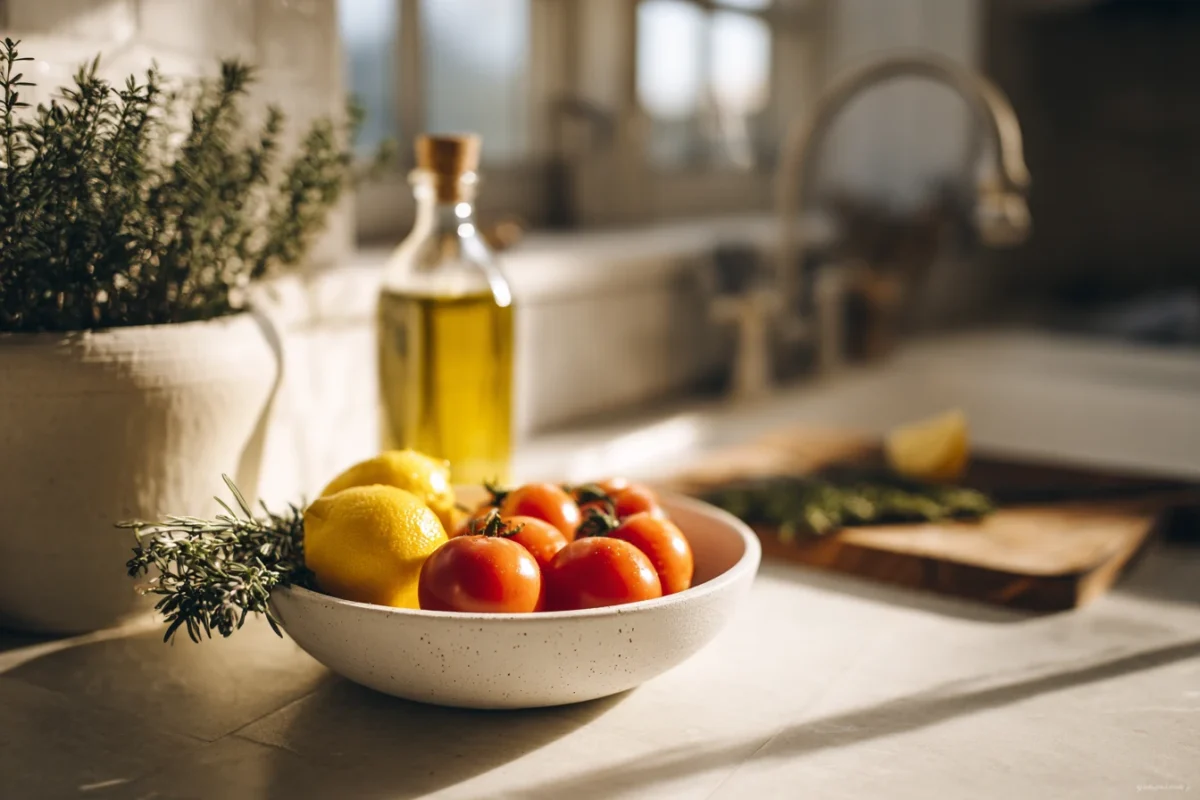
I still remember standing in my Tennessee kitchen, staring at another frozen dinner box, feeling exhausted before the day even started. Somewhere between moving from Naples and building a life in America, I had lost the simple joy of eating real food.
My grandmother’s kitchen felt like a distant memory. The tomatoes still warm from the sun, the olive oil she’d drizzle over everything, the way meals brought our family together. I missed that nourishment, that connection.
When I finally created my first Mediterranean diet meal plan, everything shifted. I wasn’t just planning meals. I was reclaiming energy, balance, and a piece of home. Within weeks, I felt lighter, clearer, more like myself again.
If you’re searching for a way to eat that feels both healthy and sustainable, this 7-day Mediterranean diet meal plan is your starting point. I’ve walked this path, and I’m here to guide you through it, one delicious meal at a time. You can read more about my Mediterranean Diet personal journey and how it transformed my relationship with food.
Table of Contents
What Is a Mediterranean Diet Meal Plan?
A Mediterranean diet meal plan is your weekly roadmap to eating like the healthiest communities in the world. It’s not about strict rules or calorie counting. Instead, it focuses on whole, fresh foods that nourish your body naturally.
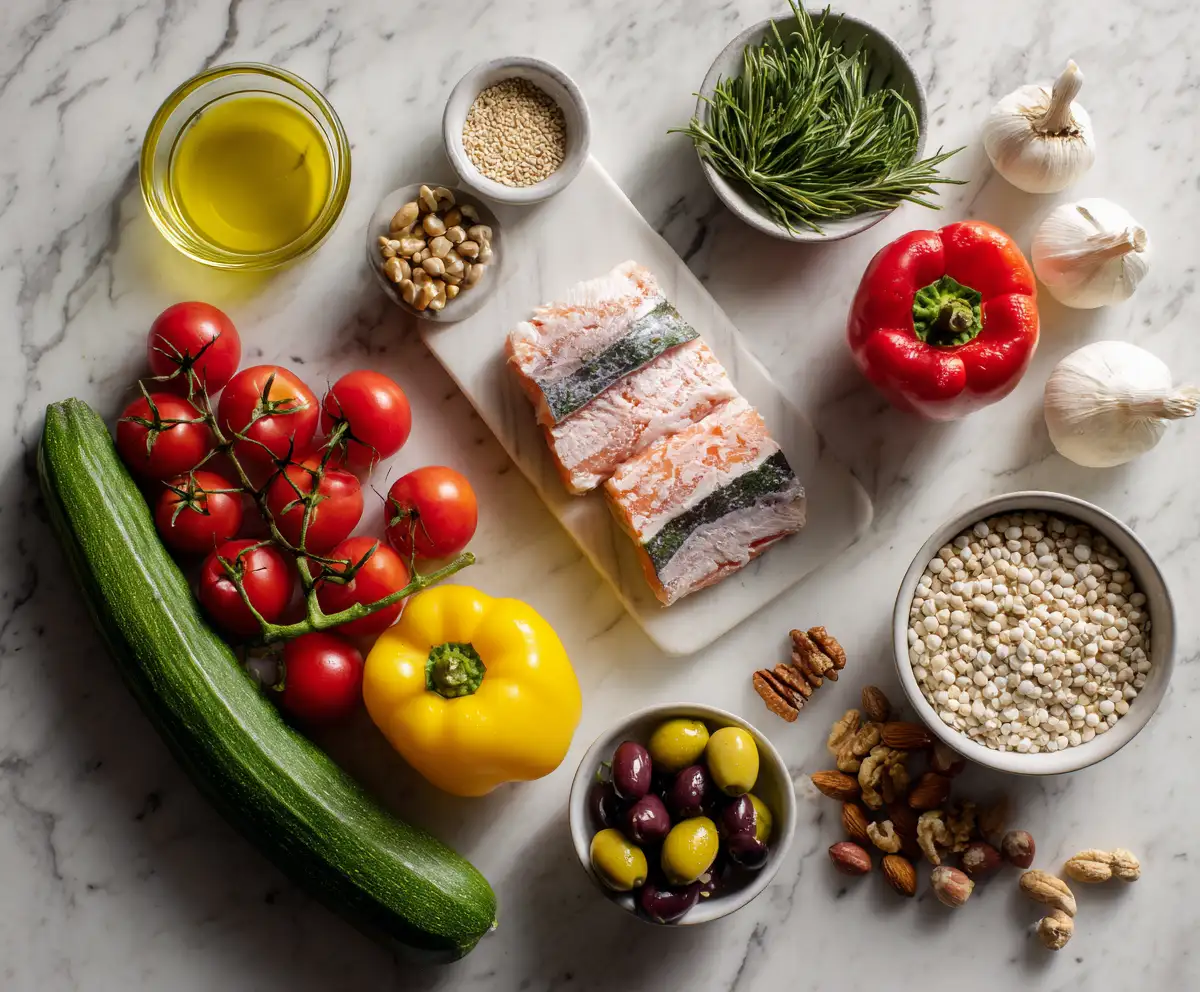
Think of it as a flexible framework built around vegetables, fruits, whole grains, legumes, and healthy fats like olive oil. You’ll enjoy fish regularly, poultry occasionally, and keep processed foods to a minimum. This is what the Mediterranean diet really means: real food, balanced plates, and meals you actually look forward to.
According to the Mayo Clinic, this eating pattern emphasizes plant-based foods and healthy fats while limiting red meat and sweets. The beauty? It adapts to your lifestyle, your kitchen, and your taste preferences.
What makes it different:
- Plant-forward, not plant-only – vegetables take center stage, but you’re not eliminating entire food groups
- Fat is your friend – olive oil, nuts, and avocados provide satisfying energy
- Seafood over meat – fish appears 2-3 times weekly, red meat just occasionally
- Flexibility built in – no forbidden foods, just better daily choices
This isn’t a diet you follow for 30 days and quit. It’s a sustainable way of eating that becomes second nature once you understand the rhythm.
Key Principles to Follow
Before you start planning your week, let’s talk about the foundations that make this way of eating so powerful. These aren’t complicated rules. They’re simple guidelines that have sustained Mediterranean communities for generations.
When I returned to these principles after years of processed food, I noticed changes within days. More energy, better digestion, and that satisfied feeling after meals I had been missing. The proven health benefits of the Mediterranean diet go far beyond weight loss, supporting heart health, brain function, and longevity.
Research from mayoclinic confirms what my grandmother knew instinctively: this pattern of eating protects your heart and reduces inflammation throughout your body.
Here’s what to prioritize every day:
- Fill half your plate with vegetables and fruits – Fresh, colorful, in-season produce. your nutrient foundation
- Choose whole grains over refined – Swap refined grains for whole ones .fiber keeps you full longer
- Make olive oil your primary fat – Drizzle it generously. It replaces butter and adds rich flavor while supporting heart health.
- Eat fish and seafood twice weekly – Salmon, sardines, or white fish provide omega-3s your body craves.
- Enjoy legumes regularly – Chickpeas, lentils, and beans are protein powerhouses that cost almost nothing and fill you up.
These principles work because they’re flexible, not rigid. You’re building habits, not following a temporary diet plan.
How to Build Your Plate
Now that you understand the principles, let’s make them visual. Building a Mediterranean plate is simpler than you think, and once you see the pattern, it becomes automatic.
I used to overthink every meal, worried I wasn’t getting it right. Then I learned this simple formula, and suddenly meal planning felt effortless. No measuring, no stress, just a visual guide I could follow anywhere.
The Oldways Mediterranean Diet Pyramid illustrates this beautifully, but here’s my everyday approach that works in any kitchen:
Your plate should look like this:
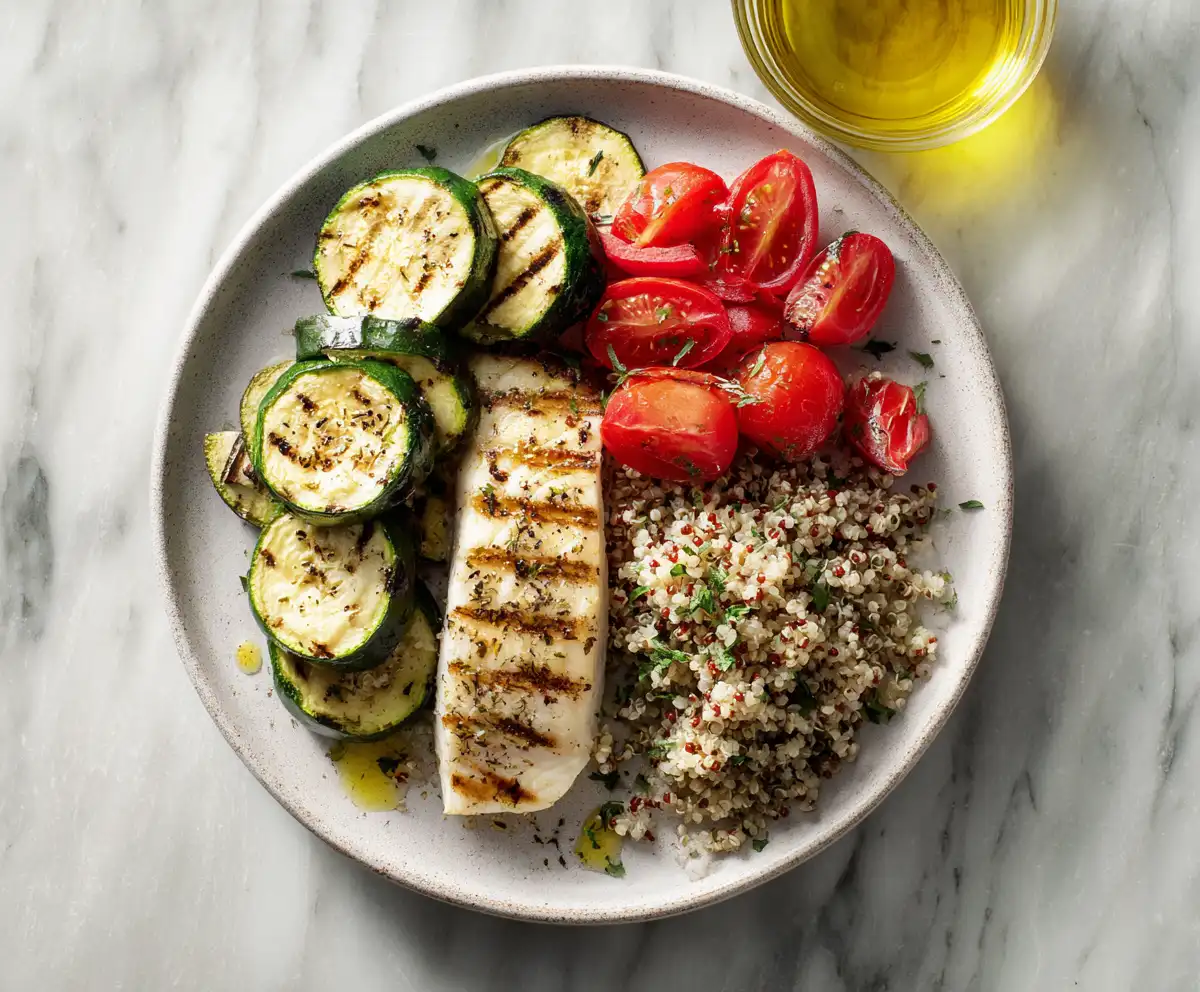
½ Vegetables and Fruits – This is your largest portion. Think roasted zucchini, fresh tomato salad, sautéed greens, or a colorful mix of whatever’s in season.
¼ Whole Grains or Starchy Vegetables – Brown rice, quinoa, whole grain pasta, farro, or even roasted sweet potato. These give you lasting energy.
¼ Protein – Grilled fish, baked chicken, chickpeas, lentils, or white beans. Keep portions moderate and let plants be the star.
Plus: A drizzle of olive oil – This isn’t optional. It helps your body absorb nutrients and makes everything taste incredible.
Pro Tip: I keep a mental snapshot of this plate ratio. When I’m at a restaurant or packing lunch, I just visualize it. Half veggies, quarter grains, quarter protein. It takes the guesswork out completely.
This is also where your full Mediterranean diet food list becomes invaluable. You’ll know exactly which ingredients fit each section of your plate.
7-Day Mediterranean Diet Meal Plan (Day-by-Day Guide)
Here’s where everything comes together. This week-long plan takes the guesswork out of your first seven days, giving you simple, nourishing meals that follow the Mediterranean pattern naturally.
I designed this plan based on how I actually eat, not some perfect ideal. These are real breakfasts you can make in 10 minutes, lunches you can pack, and dinners that don’t require culinary school training. You’ll notice the rhythm quickly: plenty of plants, regular fish, olive oil in almost everything.
According to the Cleveland Clinic, meal planning is one of the most effective ways to stay consistent with Mediterranean eating. When you know what’s coming, you’re less likely to reach for processed convenience foods.
Each day follows that plate-building formula we just covered. Feel free to swap meals around or repeat your favorites. This isn’t a rigid prescription, it’s a flexible template.
| Day | Breakfast | Lunch | Dinner |
| Monday | Greek yogurt with berries, walnuts, and honey drizzle | Chickpea salad with cucumbers, tomatoes, feta, olive oil | Baked salmon with roasted vegetables and quinoa |
| Tuesday | Whole grain toast with avocado and tomato slices | Lentil soup with whole grain bread and side salad | Grilled chicken with sautéed spinach and brown rice |
| Wednesday | Oatmeal with sliced almonds, cinnamon, and fresh fruit | Mediterranean wrap with hummus, veggies, and grilled chicken | White fish with roasted bell peppers and farro |
| Thursday | Scrambled eggs with spinach, tomatoes, and whole grain toast | Quinoa bowl with roasted vegetables and tahini dressing | Baked cod with green beans and sweet potato |
| Friday | Smoothie with spinach, banana, berries, and almond butter | Greek salad with chickpeas and whole grain pita | Shrimp with zucchini noodles and cherry tomatoes |
| Saturday | Whole grain pancakes with fresh berries and Greek yogurt | Tuna salad with mixed greens, olives, and olive oil | Grilled salmon with asparagus and wild rice |
| Sunday | Mediterranean omelet with vegetables and feta cheese | White bean soup with vegetables and whole grain bread | Baked chicken with roasted root vegetables and bulgur |

What you’ll notice:
- Fish appears 4 times this week (salmon, cod, white fish, shrimp)
- Every meal includes vegetables or fruits
- Whole grains show up at least twice daily
- Olive oil is your cooking and dressing base
Want more variety? Browse my collection of easy Mediterranean dinner recipes for weeknight inspiration, explore Mediterranean breakfast ideas to mix up your mornings, or grab healthy Mediterranean snack ideas for between meals.
This plan gives you structure without feeling restrictive. After a week, you’ll start to internalize the pattern and won’t need to reference a chart anymore.
Smart Grocery List
Having the right ingredients on hand transforms meal planning from stressful to simple. When my pantry and fridge are stocked with Mediterranean staples, healthy meals come together almost effortlessly.
This grocery list covers everything you need for the 7-day plan, plus the essentials that keep your kitchen Mediterranean-ready week after week. I organize mine by category to make shopping faster and ensure I never forget the basics.
The American Heart Association recommends shopping the perimeter of the store first, where fresh produce, proteins, and dairy live. That’s exactly how this list flows.
Fresh Produce:
- Tomatoes, cucumbers, bell peppers, zucchini
- Leafy greens (spinach, arugula, mixed salad greens)
- Fresh berries, bananas, citrus fruits
- Onions, garlic (always)
Proteins:
- Salmon, cod, white fish, shrimp
- Chicken breast
- Eggs
- Greek yogurt
Grains & Legumes:
- Quinoa, brown rice, farro, bulgur
- Whole grain bread and pasta
- Oats
- Chickpeas, lentils, white beans (canned or dried)
Healthy Fats & Flavor:
- Extra virgin olive oil (your most important purchase)
- Nuts (walnuts, almonds)
- Tahini, hummus
- Olives, feta cheese
Pantry Essentials:
- Canned tomatoes
- Vegetable or chicken broth
- Herbs and spices (oregano, basil, cumin, cinnamon)
- Honey, balsamic vinegar
Use this alongside the complete food list for shopping to customize based on what’s in season or on sale. I always check what I already have before heading out, it saves money and reduces waste.
Tips for Staying Consistent
The hardest part isn’t starting. It’s staying with it when life gets busy, when you’re tired, or when takeout feels easier than cooking. I’ve been there, and I’ve learned what actually works for the long haul.
Consistency comes from making Mediterranean eating fit your real life, not the other way around. These strategies have kept me nourished even during my busiest weeks, and they’ll work for you too.
According to the CDC, building sustainable eating habits requires planning, flexibility, and self-compassion. You’re not aiming for perfection. You’re building a pattern that sticks.
Here’s what keeps me on track:
- Prep once, eat multiple times – I roast a big batch of vegetables on Sunday and use them throughout the week. Same with cooking grains in bulk. It cuts daily cooking time in half.
- Keep it simple on busy nights – A can of chickpeas, some greens, olive oil, and lemon juice makes a complete meal in 10 minutes. You don’t need elaborate recipes every day.
- Stock your kitchen strategically – When healthy ingredients are the easiest thing to grab, you’ll naturally reach for them. Keep that pantry Mediterranean-ready.
- Embrace repetition without boredom – I eat similar breakfasts all week and never get tired of them. Save your creativity for dinners if that feels better.
- Give yourself grace – Ate something off-plan? No problem. The next meal is a fresh start. This isn’t about rules, it’s about rhythm.
The goal isn’t to eat perfectly Mediterranean every single meal. It’s to make this your default, your normal, the way you naturally approach food.
If you’re just beginning, check out my guide on getting started with the Mediterranean diet for more support on building these habits from day one.
Frequently Asked Questions
What is an example of a Mediterranean diet meal plan?
A typical day includes Greek yogurt with berries for breakfast, chickpea salad with vegetables for lunch, and baked salmon with quinoa for dinner. The 7-day plan above shows you exactly how to structure your week.
What can you eat on a Mediterranean diet?
Focus on vegetables, fruits, whole grains, legumes, nuts, and olive oil. Enjoy fish twice weekly, plus moderate amounts of poultry, eggs, Greek yogurt, and cheese. Check our complete food list for full details.
What is the 14 day Mediterranean detox?
There’s no official detox. The Mediterranean diet naturally cleanses through fiber-rich plants and anti-inflammatory foods. Some people call their first two weeks a “detox” as they transition from processed foods, but sustainable eating is the real goal.
What is the main concept of the Mediterranean diet?
Eat mostly plants, use olive oil as your primary fat, enjoy fish regularly, and minimize processed foods. It’s about balance and building meals around vegetables, whole grains, and healthy fats rather than restriction.
Start Small, Stay Nourished
You don’t need to overhaul your entire kitchen tomorrow. Start with this 7-day Mediterranean diet meal plan, see how your body responds, and notice what feels good. That’s how lasting change happens, one nourishing meal at a time.
I’ve watched this way of eating transform not just my health, but my entire relationship with food. It brought back the joy, the energy, and that feeling of being truly satisfied after meals. You deserve that too.
The Mediterranean diet isn’t about restriction or complicated rules. It’s about abundance, flavor, and choosing foods that make you feel alive. When you build your meals around vegetables, whole grains, healthy fats, and fresh ingredients, everything else falls into place naturally.
Your journey starts with a single grocery trip, a single meal, a single choice to nourish yourself well.
Want to learn more? Explore your roadmap to the Mediterranean lifestyle for everything you need to make this a lasting part of your life. I’ll be here, sharing recipes, tips, and encouragement every step of the way.
Welcome to your Mediterranean kitchen. Let’s make it delicious.