
A well-planned Mediterranean pantry helps you cook simple, healthy meals with confidence.
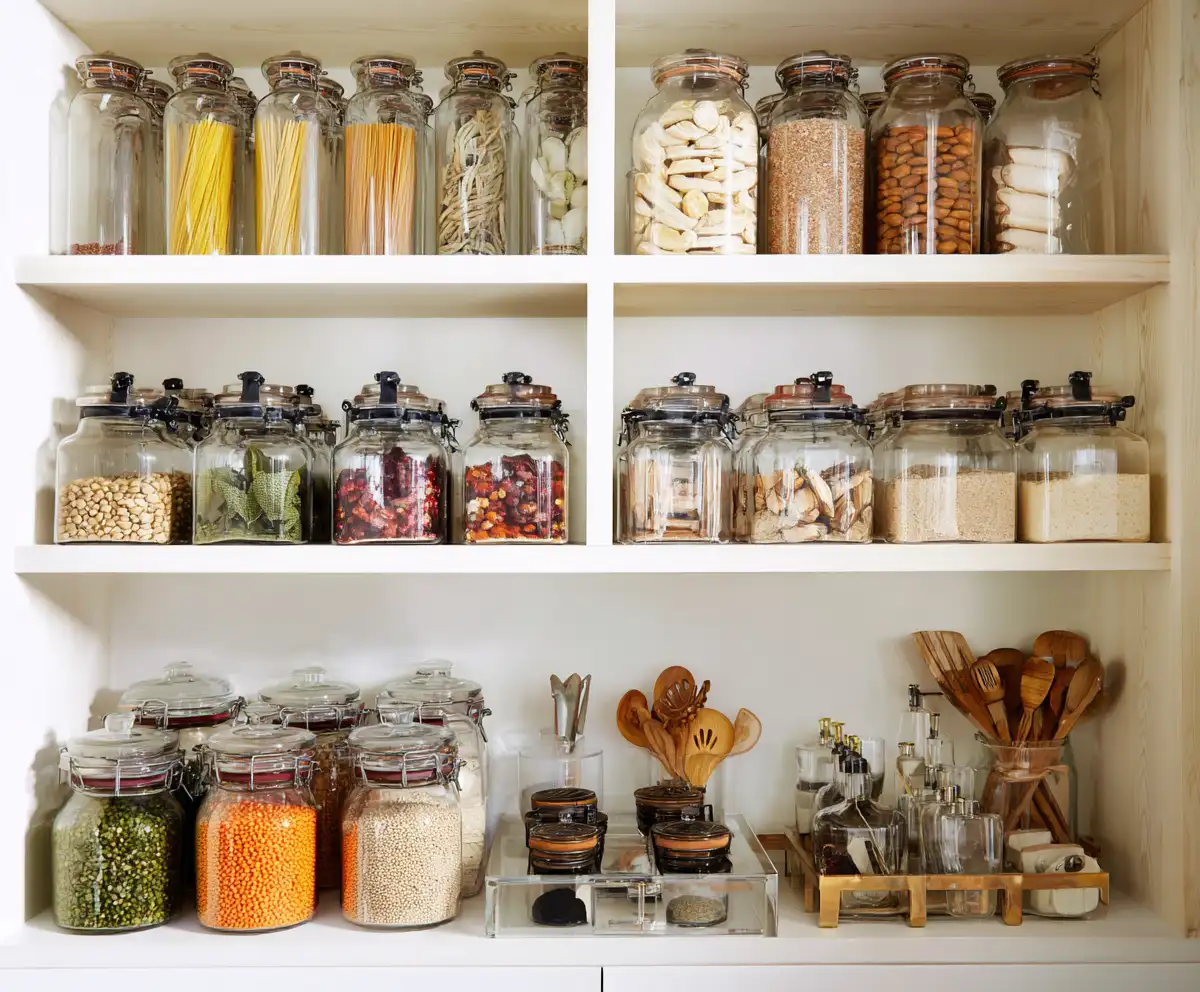
This beginner’s guide tells you what basic ingredients you should always have on hand, how to pick good ones, and simple ways to use them in your everyday cooking. You can start building your pantry without any stress because everything is explained in a friendly, easy-to-understand way.
I still remember the little cupboard in my grandma’s kitchen where she kept her olive oil, dried herbs, and jars of beans. That little space showed me how much better my meals can taste and feel with just a few good ingredients.
If you’re new to the Mediterranean lifestyle, start with my beginner’s guide to the Mediterranean diet. But if you’re ready to jump in and cook, this guide walks you through every ingredient you need.
Table of Contents
Let’s begin.
What a Mediterranean Pantry Is
A Mediterranean pantry is a collection of simple, high-quality ingredients that help you prepare healthy meals every day. It includes oils, grains, legumes, herbs, and other staples commonly used in Mediterranean cooking.
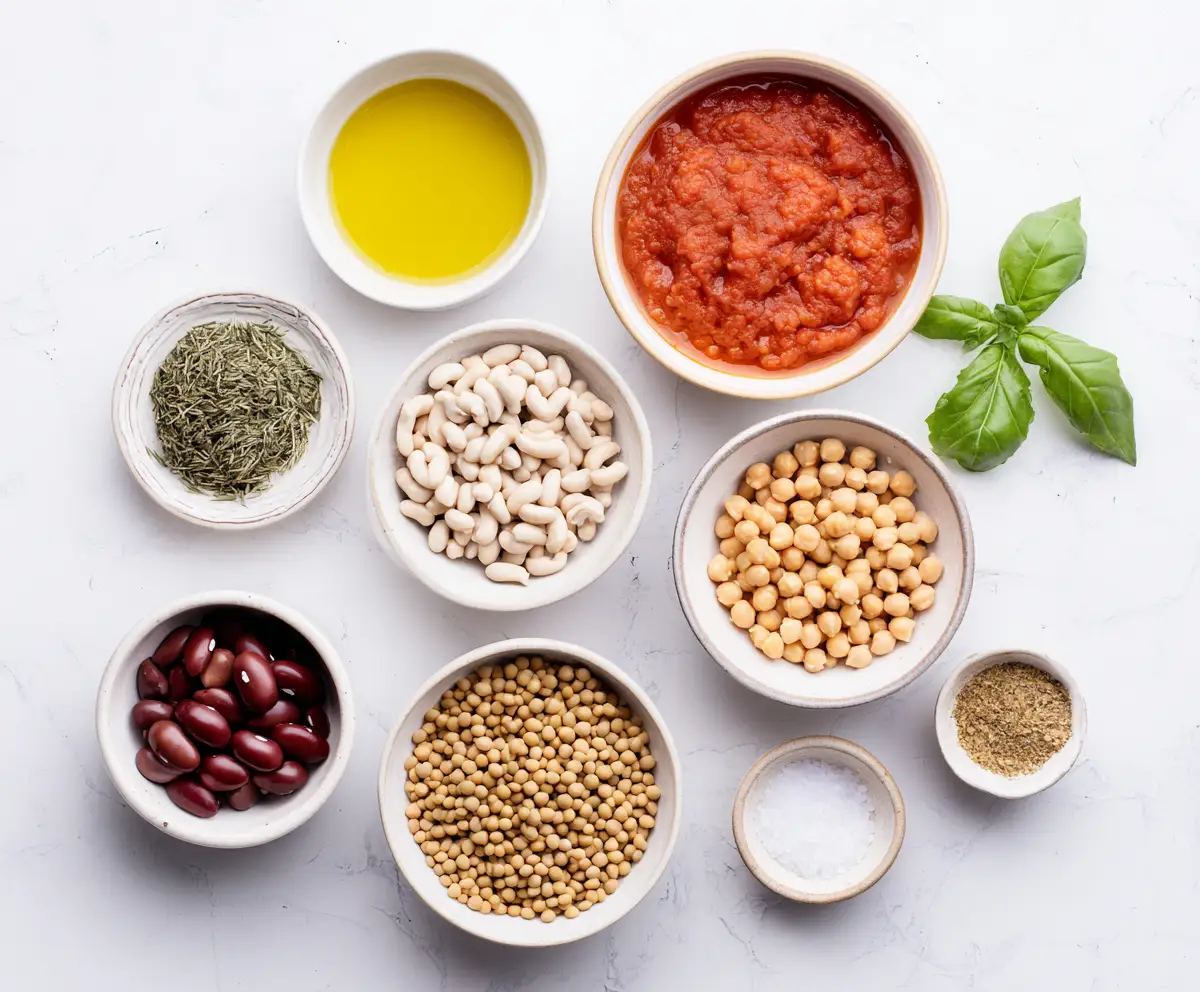
These ingredients stay fresh for weeks or months. They give you a reliable foundation for quick dinners and slow weekend meals alike.
I learned this approach from my food story growing up in Naples. My grandmother never rushed to the market for one missing ingredient. She always had what she needed because her pantry reflected how she cooked.
Simple Definition
Mediterranean pantry staples are the ingredients you keep on hand to support the Mediterranean diet. They include olive oil, whole grains, canned tomatoes, dried herbs, and legumes.
A basic pantry ingredients list doesn’t need to be long. A few quality items work better than many unused jars.
How It Supports Daily Cooking
These healthy cooking basics save you time during busy weeks. You can make a simple pasta, a grain bowl, or a bean soup without planning.
The ingredients work together naturally. Olive oil, garlic, and herbs can transform canned chickpeas into a satisfying meal in minutes.
Why It Matters
Building a Mediterranean pantry changes how you approach daily meals. It removes the stress of last-minute shopping and helps you cook with ingredients that support your health.
When you have the right staples ready, you spend less time planning and more time enjoying simple, nourishing food.
Helps You Cook Healthier Meals
Mediterranean diet essentials like olive oil, whole grains, and legumes form the foundation of heart-healthy eating. Research from Harvard’s Nutrition Source supports this pattern for long-term wellness.
These ingredients make it easier to reap the health benefits of the Mediterranean diet without complicated recipes. A well-stocked pantry helps you avoid processed foods during busy moments.
Makes Busy Days Easier
Healthy cooking basics save you from ordering takeout when you’re tired. A jar of canned tomatoes, some pasta, and olive oil can become dinner in twenty minutes.
You don’t need fresh groceries for every meal. Your pantry gives you backup options that taste good and feel nourishing.
Brings Consistent Flavour
Quality pantry staples deliver reliable taste every time you cook. Good olive oil, dried oregano, and sea salt bring warmth to simple dishes.
These healthy kitchen essentials work across many recipes. The familiar flavours make nutritious meals more satisfying and easier to maintain as a habit.
What You Need
Your Mediterranean pantry doesn’t require dozens of items. Focus on a few essential categories that cover most of the recipes on the Mediterranean diet food list.
These staples give you flexibility without overwhelming your shelves. Many Greek and Italian ingredients overlap, so your pantry will naturally work for both cuisines.
Oils and Vinegars
Extra virgin olive oil is the heart of your pantry. Choose a bottle with a harvest date and store it in a cool, dark place.
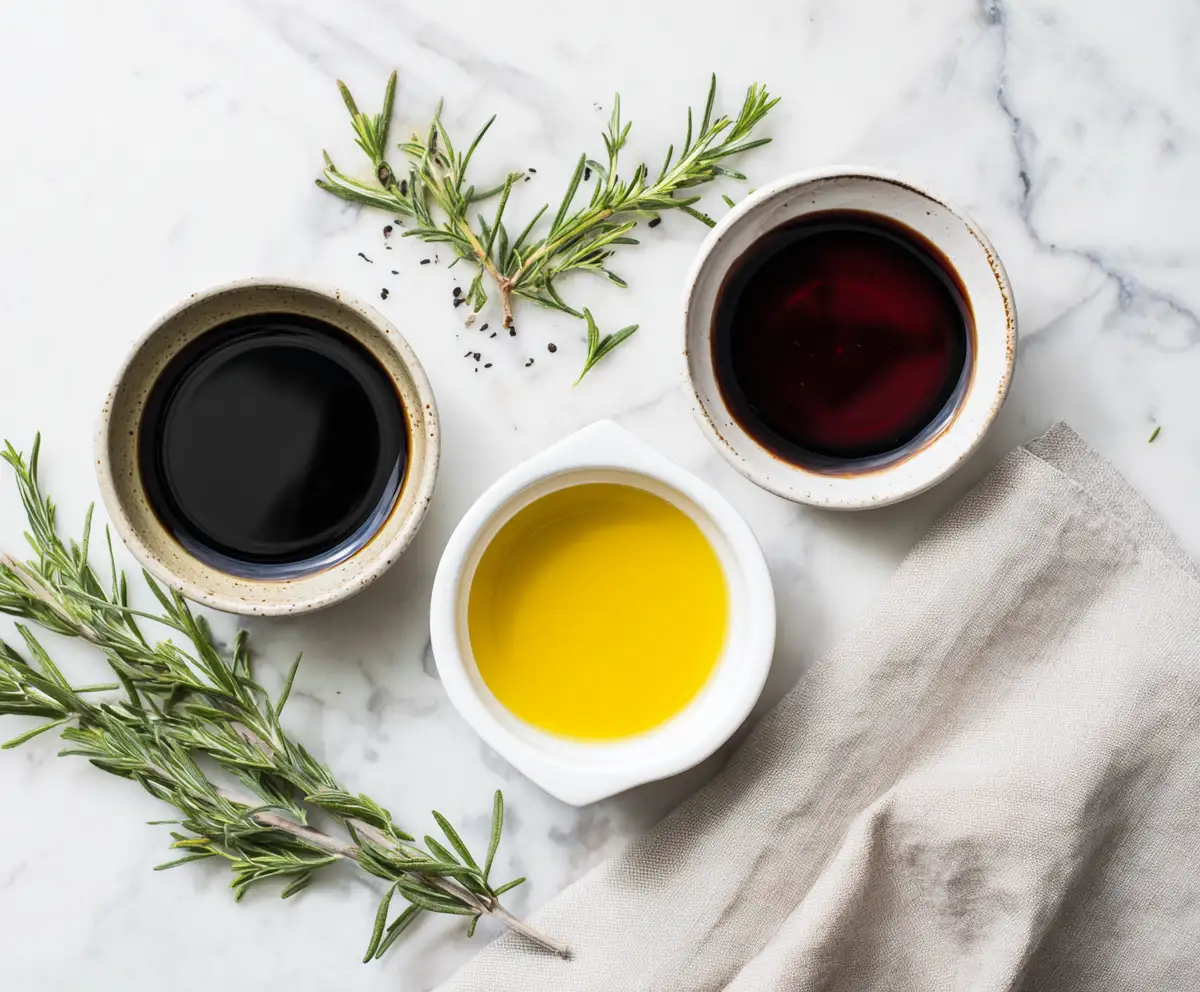
Different types of olive oil serve various purposes. Use a fruity, robust oil for salads and a milder one for cooking. Red wine vinegar and balsamic vinegar add brightness to dressings and marinades.
Start with one good olive oil and one vinegar. You can expand as you cook more.
Grains and Legumes
Whole grains and legumes provide fibre, protein, and lasting energy. Stock dried or canned options based on your cooking time.
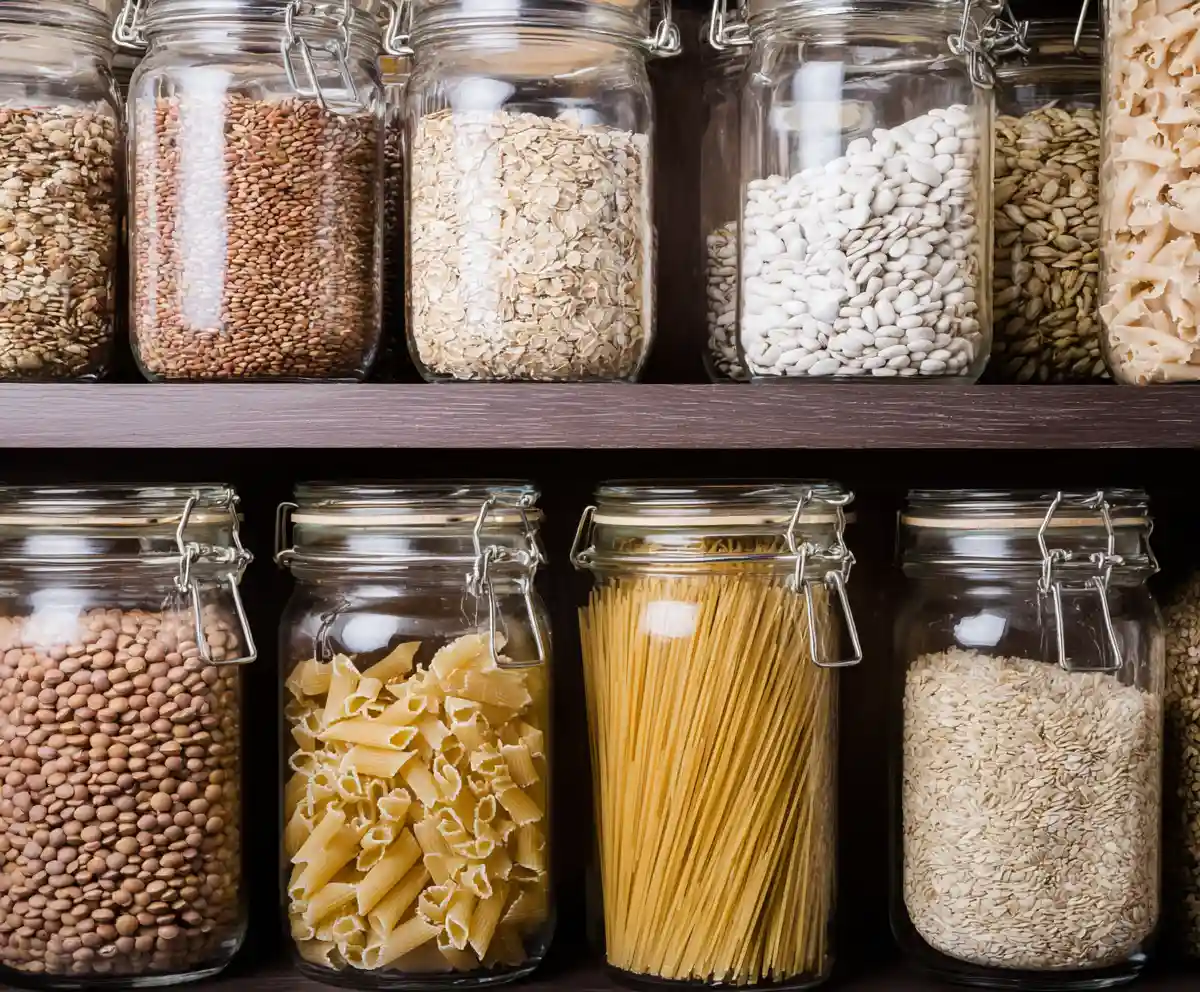
Essential items include:
- Brown rice or farro
- Dried lentils (red and green)
- Canned chickpeas
- Dried or canned white beans
- Whole wheat pasta
These ingredients stay fresh for months and work in soups, salads, and side dishes.
Herbs and Spices
Dried herbs and spices bring warmth and depth to simple meals. Mediterranean herbs and spices like oregano, basil, thyme, and rosemary are gentle and aromatic.
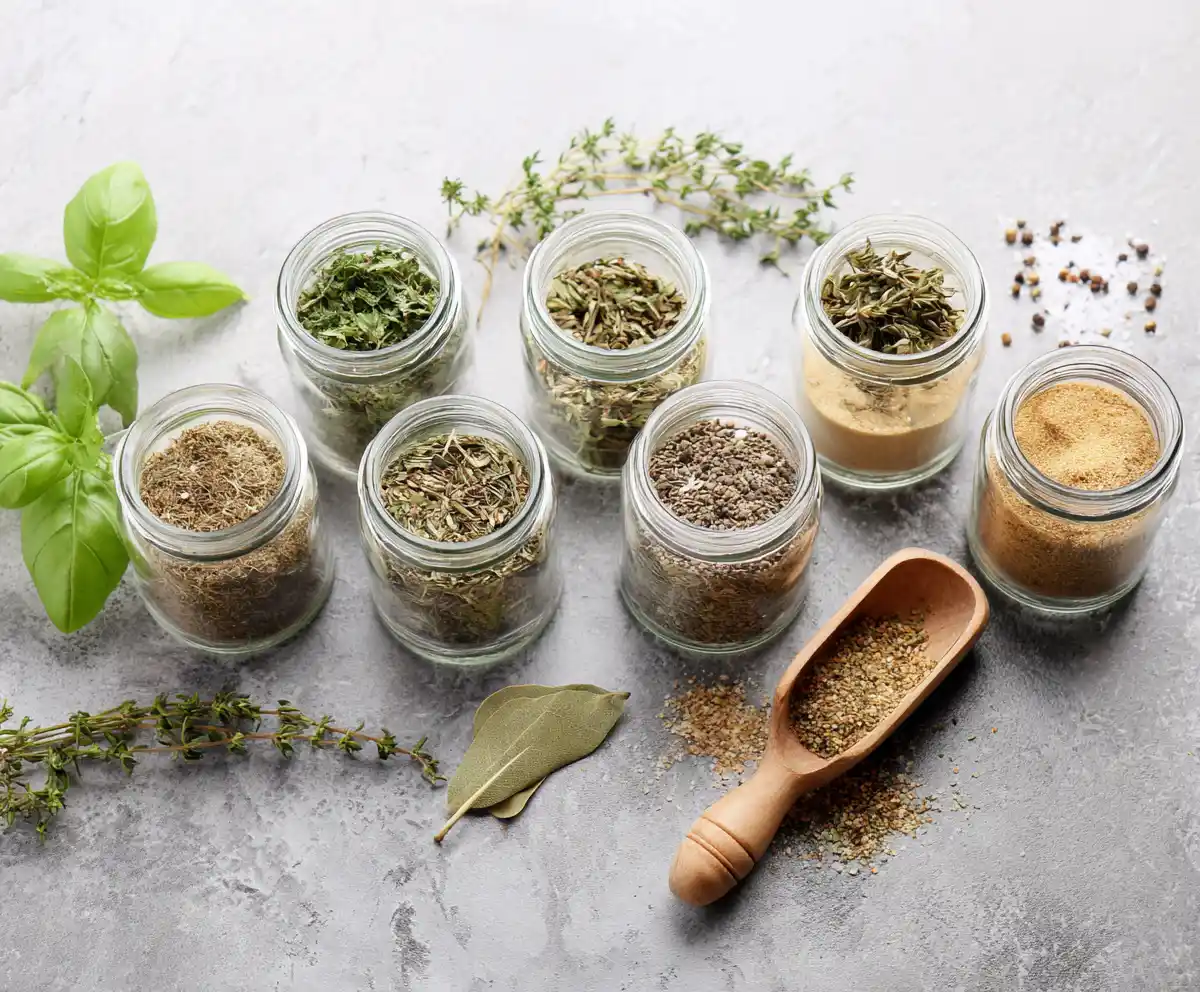
Keep these basics ready:
- Dried oregano
- Dried basil
- Garlic powder
- Sea salt
- Black pepper
Canned and Jarred Ingredients
Canned beans and tomatoes save time without sacrificing nutrition. Look for low-sodium options when possible.
Stock your shelves with:
- Canned whole or diced tomatoes
- Tomato paste
- Canned chickpeas
- Canned white beans
- Jarred roasted red peppers
These canned foods give you a head start on soups, stews, and pasta sauces.
Nuts and Seeds
Raw or roasted nuts and seeds add texture, healthy fats, and protein to meals. Store them in airtight containers to keep them fresh.
Keep a small selection like almonds, walnuts, pine nuts, and sesame seeds. They work as snacks, salad toppings, or ingredients in sauces like pesto.
How to Build It
Building your Mediterranean pantry doesn’t happen all at once. Start with the most valuable items and add more as you cook, learning which you reach for most often.
This approach keeps the process simple and prevents waste.
Start With the Essentials
Begin with a short pantry ingredients list that covers your first week of meals. Buy extra virgin olive oil, canned tomatoes, dried pasta, one type of legume, and a few dried herbs.
These Mediterranean pantry staples give you enough variety to make soups, pasta dishes, and grain bowls. You don’t need speciality items yet.
Choose one or two recipes from a Mediterranean meal plan and shop for those specific pantry ingredients. Cook them a few times until you feel comfortable.
Then add one new item each week. This could be a different grain like farro, a new spice like cumin, or jarred roasted peppers.
Over time, your collection grows naturally based on what you actually cook. You won’t end up with unused jars taking up space.
Pro Tip: Keep your most-used healthy cooking basics like olive oil, garlic powder, and canned beans at eye level. This makes it easier to grab them when you’re cooking healthy meals quickly.
Tips for Success
A few simple habits help you maintain your Mediterranean pantry and use it well. These tips keep your healthy kitchen essentials fresh and ready when you need them.
Check expiration dates regularly. Dried herbs and spices lose their fragrance after six months to a year. Smell them before you use them. If the aroma is weak, replace them.
Store your olive oil the right way.. Please keep it away from heat and light to preserve its flavour. A cool, dark cupboard works better than a spot near the stove.
Clearly label everything. Write the purchase date on pantry staples, such as whole grains and legumes. This helps you use older items first and prevents waste.
Buy in quantities you’ll actually use. A small jar of an unfamiliar spice is smarter than a large bag that sits unused for months.
Review your pantry ingredients list monthly—notice which Mediterranean diet essentials you reach for most and which ones you ignore. Adjust your shopping based on what you actually cook.
The Mayo Clinic recommends focusing on quality over quantity when building healthy eating habits. This same principle applies to stocking your pantry.
Common Mistakes
Many beginners make similar mistakes when building their Mediterranean pantry. Recognizing these patterns early helps you save money and use ingredients more effectively.
Buying too much at once. It’s tempting to fill your shelves quickly, but unused pantry staples lose freshness over time. Start small and expand gradually as you cook.
Choosing low-quality olive oil. Not all olive oil types deliver the same flavour or health benefits. Check harvest dates and choose extra-virgin varieties when possible
Ignoring storage guidelines. Herbs and spices need to be stored in airtight containers away from heat. Whole grains and canned foods should be stored in cool, dry spaces to maintain quality.
Skipping label reading. Some canned foods contain added sugar or excessive sodium. Compare brands and choose options with simple ingredient lists.
Not rotating stock. Use older Mediterranean pantry staples before opening new packages. This simple habit prevents waste and keeps your healthy cooking basics fresh.The healthline notes that poor pantry organization is one of the most common barriers to maintaining healthy eating patterns.
Simple Variations
Your Mediterranean pantry can adapt to your space, budget, and personal needs. The core principles stay the same while the details shift based on your situation.
Budget-friendly approach. Focus on affordable pantry staples like dried beans, canned tomatoes, and basic olive oil. Learn how to build a Mediterranean diet on a budget without sacrificing nutrition or flavour.
Small space solution. Keep only your most-used Mediterranean diet essentials. Choose smaller containers and store backups elsewhere. A few quality items work better than a crowded shelf.
Dietary adaptations. If you follow specific nutritional patterns, adjust your pantry ingredients list accordingly. Stock gluten-free grains or choose low-sodium canned options based on your needs.
Regional preferences. Emphasise Greek ingredients like oregano and feta, or lean toward Italian staples like basil and balsamic vinegar. Both approaches honour the Mediterranean diet while reflecting your taste.
The healthy cooking basics remain consistent across all variations. Olive oil, legumes, whole grains, and herbs form the foundation regardless of how you adapt the details.
FAQs
What should I buy first for my Mediterranean pantry?
Start with extra virgin olive oil, canned tomatoes, dried pasta, one type of dried beans, and basic herbs like oregano and basil. These Mediterranean pantry staples give you enough variety to make several simple meals.
How long do pantry staples last?
Dried grains and legumes stay fresh for 1-2 years when stored properly. Olive oil keeps for 12-18 months from the harvest date. Dried herbs and spices lose potency after 6-12 months but remain safe to use.
Is building a Mediterranean pantry expensive?
Not if you start small and focus on the basics. Buy one or two items each week and prioritize affordable, healthy kitchen essentials like dried beans over speciality products. Learn how to start the Mediterranean diet without overspending.
Do I need to shop at speciality stores?
No. Most pantry ingredient lists are available at regular grocery stores. You’ll find olive oil, whole grains, canned beans, and dried herbs in standard supermarkets.
Can I substitute ingredients?
Yes. The Mediterranean diet emphasizes principles rather than rigid rules. If you can’t find farro, use brown rice. Are pine nuts out of your budget? Use walnuts instead. Research from PubMed shows that following the overall pattern matters more than using exact ingredients.
How do I keep my pantry organized?
Group similar items together: oils in one area, grains in another, canned goods together. Use clear containers with labels and dates. Keep your most-used healthy meal ingredients at eye level for easy access.
Final Thoughts
Building a Mediterranean pantry gives you the foundation for healthier, simpler cooking. You don’t need a perfect collection right away. Start with a few Mediterranean diet essentials and let your pantry grow naturally as you discover what you love to cook.
These healthy cooking basics remove daily stress and help you create nourishing meals without complicated planning. When your shelves hold quality pantry staples, you’re always ready to prepare something good.
The Mediterranean lifestyle guide shows how these small kitchen choices connect to a larger way of living. Food is just one part, but it’s a meaningful place to begin.
Take your time. Choose ingredients you’ll truly use. Trust that each simple meal brings you closer to the rhythm and flavour of Mediterranean eating.
Ready to start your Mediterranean journey? Explore simple recipes to try today and put your new pantry to work.