
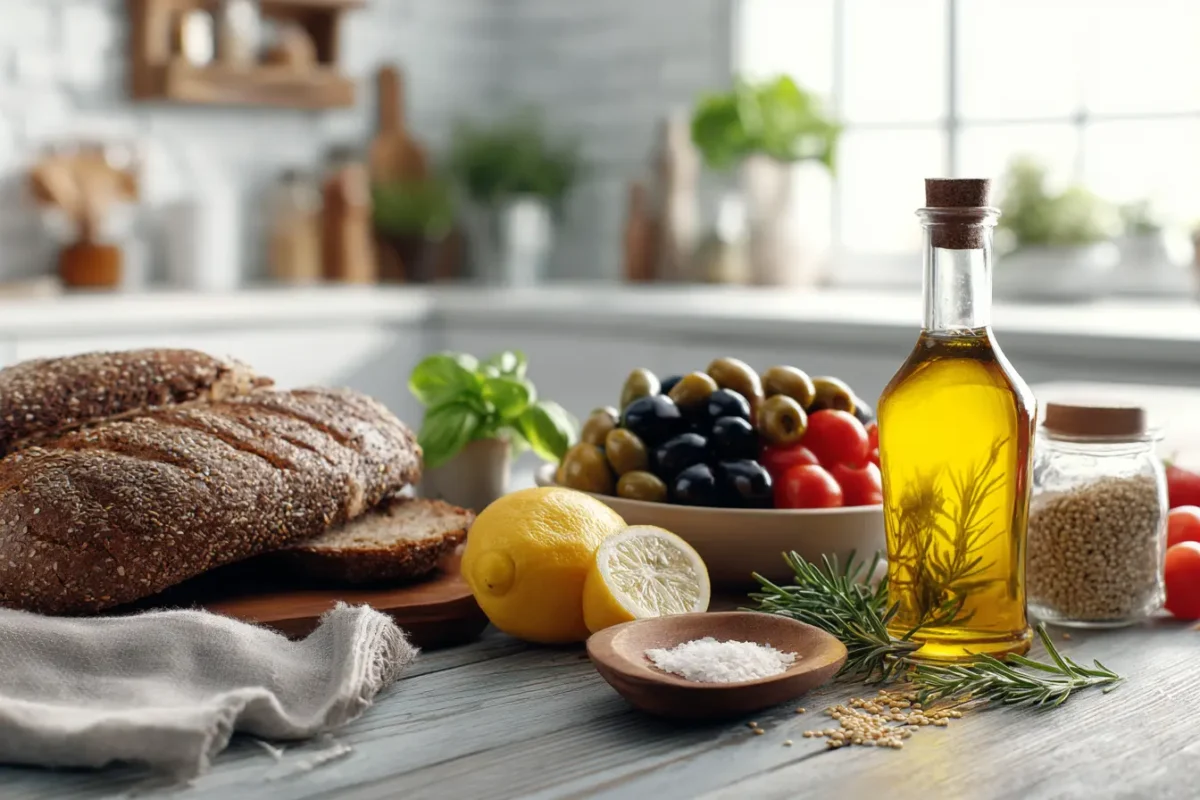
I still remember walking through the outdoor market in Naples with my grandmother, her hands selecting the ripest tomatoes by touch alone. She never needed a list. The colors, the smells, the seasons told her everything.
When I moved to Tennessee years later, I found myself standing in a different kind of aisle. Bright packages, confusing labels, nothing that looked like the food I grew up with. I lost my way for a while, and honestly, I lost some of my energy too.
Coming back to Mediterranean eating changed everything. But I needed something my Nonna never did. I needed a clear mediterranean diet food list to guide me through American grocery stores.
If you’re starting this journey, you probably feel the same way. You know the Mediterranean diet is healthy. You’ve heard about olive oil and fresh vegetables. But what exactly should fill your cart?
This guide has everything you need . I’ll walk you through every food category, share what I keep in my kitchen, and help you build a Mediterranean Diet Personal Journey that feels natural, not restrictive.
Let’s bring those market colors back to your table.
Table of Contents
What Is the Mediterranean Diet? (Quick Reminder)
Before we dive into the food list, let’s get clear on what we’re actually talking about.
The Mediterranean diet isn’t a diet in the restrictive sense. It’s a way of eating that people in Greece, Italy, Spain, and other Mediterranean regions have followed for centuries. It focuses on whole, minimally processed foods that come from plants, the sea, and the land.
Think of it as eating patterns, not rules. You’ll enjoy plenty of vegetables, fruits, whole grains, and healthy fats, especially olive oil. Fish and seafood appear regularly. Poultry and dairy show up in moderation. And everything gets flavored with herbs and spices instead of heavy sauces or salt.
Harvard Health calls it one of the healthiest eating patterns in the world, backed by decades of research on heart health, brain function, and longevity.
If you’re completely new to this approach, I recommend starting with What Is the Mediterranean Diet? A Beginner’s Guide for a deeper foundation.
Now, let’s get to what you actually put on your plate.
Mediterranean Diet Food List: Core Categories
This is where the magic happens. These ten categories form the foundation of every Mediterranean meal I make.
I’ll break down each one with specific foods you can start buying today.
Vegetables & Fruits
My grandmother used to say, “Eat the rainbow, and you’ll never get bored.”
She was right. Vegetables dominate the Mediterranean plate in every color imaginable.
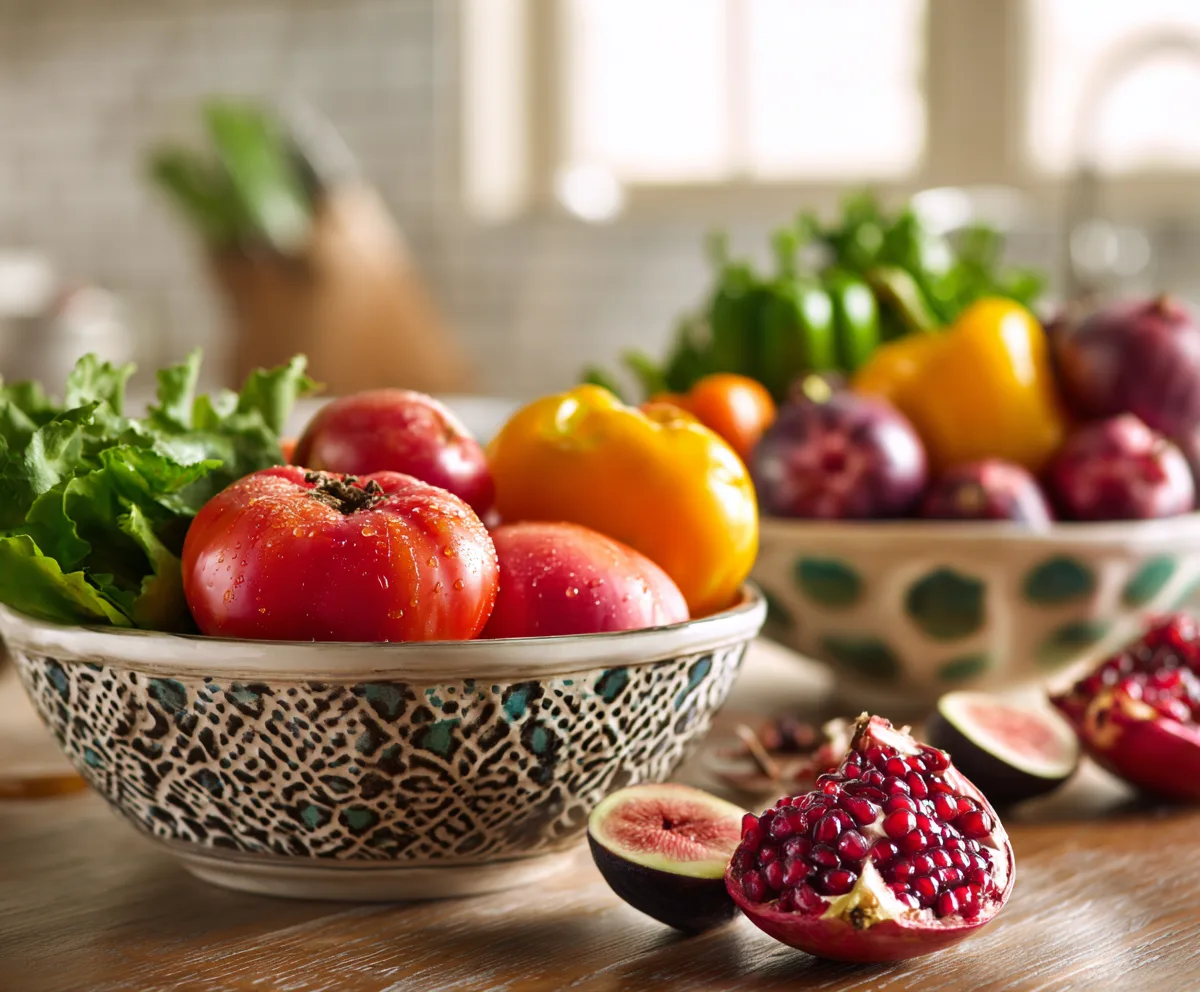
I’m talking about tomatoes that smell like summer. Zucchini and eggplant that char beautifully on the grill. Bell peppers in red, yellow, and orange. Leafy greens like spinach, arugula, and kale.
Then there’s broccoli, cauliflower, cucumbers, onions, and carrots. The variety never ends, and neither does the flavor.
Fruits bring natural sweetness without a single gram of added sugar. Reach for oranges that brighten winter mornings. Figs and grapes that taste like sunshine. Apples, berries, melons, and pears.
In my kitchen, nothing beats a bowl of ripe peaches in July or a handful of pomegranate seeds in December.
Pro Tip: Buy what’s in season. It tastes better, costs less, and connects you to the rhythm of the year the way Mediterranean people have always eaten.
The NIH confirms that these colorful foods deliver antioxidants, fiber, and vitamins that protect your heart and support healthy digestion.
Whole Grains
Whole grains give you lasting energy without the crash that refined carbs bring.
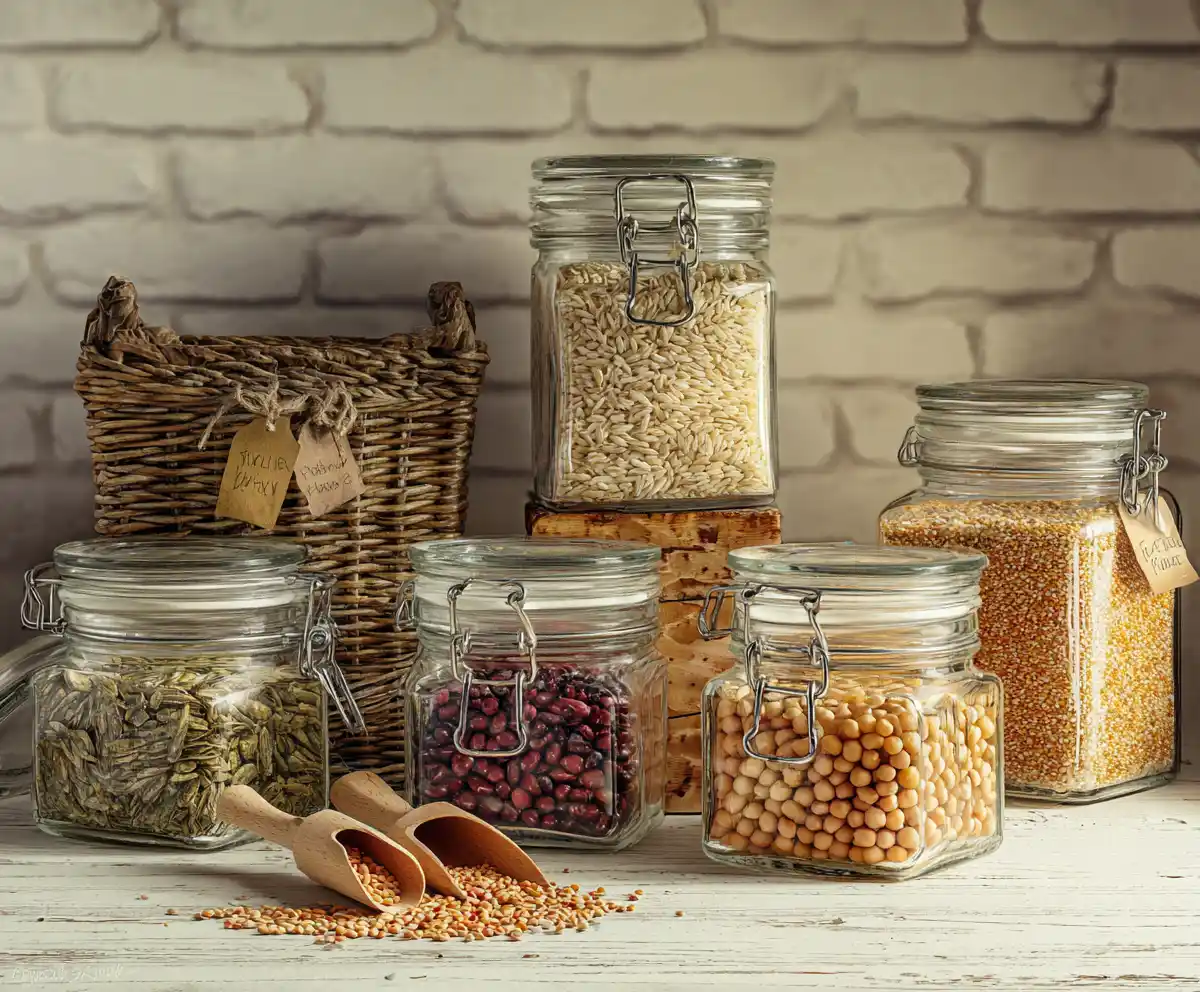
I keep my pantry stocked with the basics. Brown rice. Quinoa. Farro. Bulgur. Whole wheat pasta. Steel-cut oats. Barley for soups.
Traditional Mediterranean bread is whole grain too. Crusty on the outside, tender and nutty inside.
These grains contain fiber that keeps your gut healthy and your blood sugar stable. Mayo Clinic research shows they reduce heart disease risk significantly.
Start simple. Swap white rice for brown this week. Or try farro in your next soup.
Small changes create lasting habits.
Legumes
Legumes are the quiet heroes of Mediterranean cooking.
Affordable. Filling. Packed with plant-based protein.
My kitchen always has chickpeas, lentils, white beans, black beans, and fava beans. They show up in soups that warm you from the inside. Salads that actually keep you full. Stews that taste better the next day.
And of course, hummus. Creamy, garlicky, perfect with fresh vegetables.
One cup of cooked lentils gives you 18 grams of protein and 15 grains of fiber. That’s powerful nutrition that costs pennies per serving.
If canned beans are easier for you right now, use them. Just rinse them first to reduce sodium.
Progress over perfection, always.
Nuts & Seeds
A small handful of nuts can transform a simple salad into something truly satisfying.
Stock up on almonds, walnuts, pistachios, and pine nuts. Add sunflower seeds, sesame seeds, and flaxseeds to the mix.
They add crunch. Healthy fats. Protein. All in one tiny package.
I aim for about a quarter cup daily. Sometimes I toss walnuts into my morning oats. Other times I sprinkle seeds over roasted vegetables or blend them into pesto.
Common Mediterranean Nuts & Seeds:
- Almonds (snacking, salads)
- Walnuts (omega-3 rich)
- Pistachios (Mediterranean classic)
- Pine nuts (pesto, grain dishes)
- Sesame seeds (tahini, toppings)
- Sunflower seeds (everyday versatility)
Quick Fact: Walnuts are especially rich in omega-3 fatty acids, which support brain health and reduce inflammation throughout your body.
Herbs & Spices
This is where Mediterranean food gets its soul.
Basil. Oregano. Rosemary. Thyme. Parsley. Mint. Garlic. Cinnamon.
In Naples, we never relied on heavy sauces or excessive salt. Fresh herbs did all the work, and they did it beautifully.
Dried herbs work just as well. Keep a variety in your spice cabinet, and you’ll never call food bland again.
These seasonings let you reduce salt while adding layers of flavor that make every bite interesting. They also contain compounds that fight inflammation and support overall health.
A pinch of oregano can transport you to a hillside in Greece. That’s the power of real seasoning.
Healthy Fats & Olive Oil
If there’s one ingredient that defines Mediterranean cooking, it’s extra virgin olive oil.
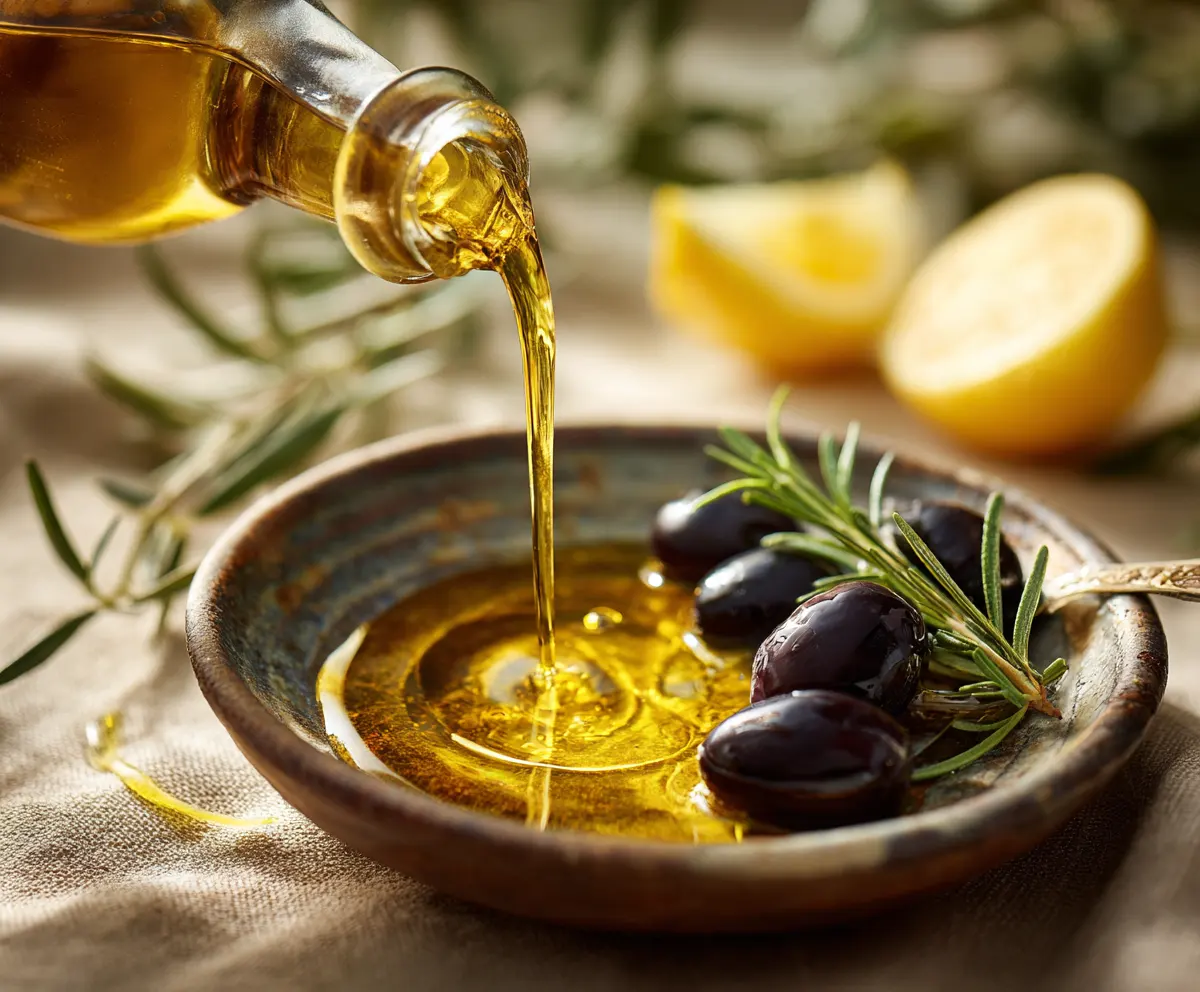
I use it for everything.
Drizzled over salads. Brushed on vegetables before roasting. Mixed into hummus. Finished over warm pasta. Even used for gentle sautéing.
It’s rich, fruity, and satisfying in ways that processed oils never are.
Besides olive oil, I include avocados and olives themselves. These fats aren’t something to fear. They’re essential for absorbing vitamins, supporting your brain, and keeping you full between meals.
Cleveland Clinic research confirms that olive oil supports heart health by improving cholesterol levels and reducing inflammation.
Choose extra virgin olive oil when possible. It’s less processed and retains more beneficial compounds that make it worth every penny.
Fish & Seafood
Growing up near the coast, fresh fish was part of our weekly rhythm.
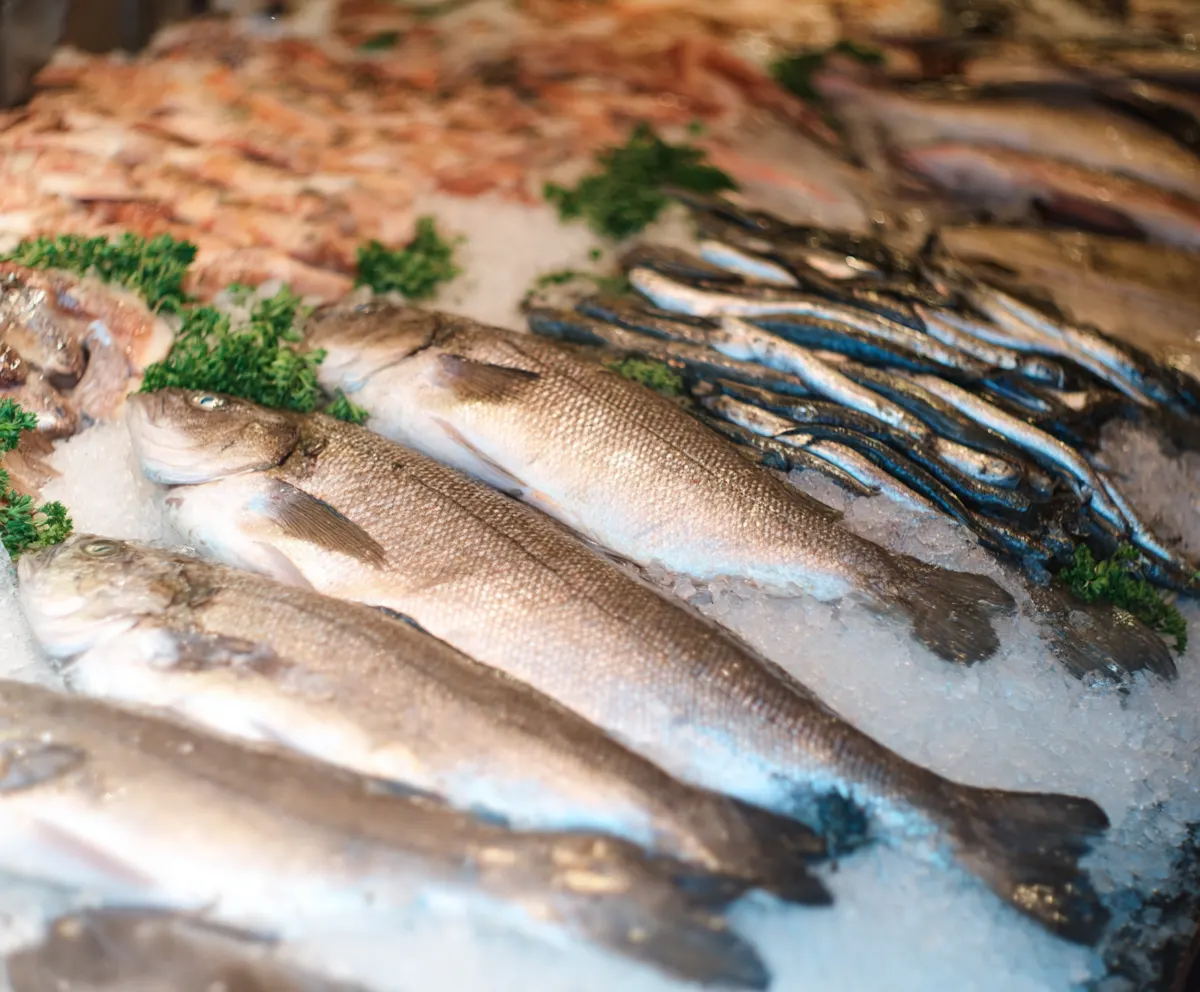
The smell of grilled sardines. The sight of whole sea bass on ice at the market. The taste of shrimp tossed with garlic and lemon.
Aim for fish and seafood at least twice a week. Your body will thank you.
Best Mediterranean Fish & Seafood:
- Salmon (rich in omega-3s)
- Sardines (affordable, sustainable)
- Mackerel (flavorful, healthy)
- Anchovies (umami boost)
- Tuna (fresh or canned)
- Sea bass (delicate, traditional)
- Shrimp and mussels (quick-cooking)
These foods deliver high-quality protein and omega-3 fatty acids that your brain and heart desperately need. The American Heart Association recommends them specifically for cardiovascular protection.
Canned fish counts too. I always keep canned sardines and salmon on hand for quick lunches when life gets busy.
Poultry & Eggs
Chicken, turkey, and eggs appear in Mediterranean eating, but they’re not the star of every meal.
I treat poultry as a supporting player, not the main event. Maybe twice a week. Grilled chicken with herbs. Turkey meatballs in tomato sauce.
Eggs show up more often. Scramble eggs with spinach and tomatoes for breakfast. Hard-boiled as an afternoon snack. Baked into vegetable frittatas for dinner.
The Mediterranean approach puts plants first, with animal proteins playing a smaller, complementary role.
This balance keeps meals lighter, more varied, and easier to digest.
Dairy Products (Moderation)
Mediterranean dairy looks different from what you might be used to.
Greek yogurt. Feta cheese. Parmesan. Ricotta. Fresh mozzarella.
They’re often made from sheep or goat milk, which some people find easier to digest than cow’s milk dairy.
Use them as accents, not main ingredients. A crumble of feta over salad. A dollop of yogurt with honey and walnuts. A shaving of Parmesan over roasted cauliflower.
Quality matters more than quantity here. Choose real cheese over processed versions, and let the flavor do the talking.
Condiments & Sauces
Keep it simple and Mediterranean-inspired.
Balsamic vinegar for sweetness. Red wine vinegar for tang. Fresh lemon juice for brightness. Tahini for creaminess. Tomato paste for depth. Add capers for a salty burst.
Mustard works beautifully too, especially Dijon.
These ingredients help you build flavor without reaching for bottled dressings full of sugar, sodium, and additives you can’t pronounce.
A quick whisk of olive oil, lemon juice, and dried oregano makes a perfect salad dressing in thirty seconds.
Simple ingredients. Bold flavors. That’s the Mediterranean way.
Understanding The Proven Health Benefits of the Mediterranean Diet helps you see why these food categories matter so much for long-term wellness.
Foods to Limit or Avoid
Here’s the thing about Mediterranean eating. It’s not about restriction. It’s about choosing real food over processed versions most of the time.
That said, some foods just don’t fit the pattern. They don’t nourish you the way traditional Mediterranean ingredients do.
I’m not saying you can never have these things. I’m saying they shouldn’t be your everyday choices.
Foods to Limit:
Refined grains: White bread, white pasta, pastries, and baked goods made with white flour. They raise your blood sugar quickly, then leave you hungry soon after.
Added sugars: Candy, soda, sweetened cereals, and desserts loaded with sugar. A little honey or dark chocolate? Fine. A daily habit of sugary snacks? Not so much.
Processed meats: Hot dogs, bacon, deli meats with nitrates and excessive sodium. The World Health Organization links heavily processed meats to increased health risks.
Trans fats and refined oils: Margarine, vegetable shortening, and highly processed seed oils. Stick with olive oil and other traditional fats instead.
Highly processed foods: Frozen dinners, packaged snacks with ingredient lists you can’t pronounce, anything that looks nothing like its original form.
I used to live on boxed mac and cheese when I first moved to Tennessee. It was fast. It was cheap. But it never made me feel good.
Real food does.
You’ll notice I’m not telling you to count calories or avoid entire food groups. The Mediterranean approach trusts you to choose quality over convenience most days.
Some days you’ll eat perfectly. Other days you’ll have pizza with friends. Both are part of living well.
Building Your Mediterranean Plate
Once you know what foods to choose, the next question is simple. How much of each?
I don’t believe in weighing every portion or tracking macros obsessively. But having a visual guide helps, especially when you’re starting out.
The Mediterranean Plate Method:
| Portion | What It Includes | Visual Guide |
| Half your plate | Vegetables (cooked or raw) and fruits | The star of the show |
| Quarter of your plate | Whole grains or starchy vegetables | Brown rice, farro, potatoes, whole wheat bread |
| Quarter of your plate | Protein (plant or animal) | Legumes, fish, chicken, eggs |
| A drizzle | Healthy fats | Olive oil, nuts, avocado |
| A sprinkle | Herbs and seasonings | Fresh or dried, generous with flavor |
Notice how vegetables take up the most space. That’s not an accident. It’s how Mediterranean people have eaten for generations.
Some meals won’t fit this exact template, and that’s okay. A big bean soup with crusty bread works. A seafood salad loaded with greens works too.
The pattern matters more than perfection.
Sustainability & Tradition
The Mediterranean diet isn’t just good for you. It’s good for the planet too.
This way of eating emphasizes seasonal produce, local ingredients, and minimal waste. It values quality over quantity, which naturally reduces overconsumption.
When you choose whole foods over heavily packaged products, you’re making an environmental choice without even trying.
Fish from sustainable sources. Choose vegetables from local farms when you can .
Legumes and grains that require less water and land than industrial meat production.
In 2013, UNESCO recognized the Mediterranean diet as Intangible Cultural Heritage of Humanity. Not just for its health benefits, but for its cultural significance and sustainable practices.
My grandmother never talked about carbon footprints. But she lived by principles that protected her environment naturally.
She bought what was ripe. She used every part of the vegetable. She valued meals shared with family over fast food eaten alone.
It’s about more than just living longer . It’s about living better, together, in harmony with the seasons and the soil.
Sample One-Day Mediterranean Food List
Sometimes the best way to understand the mediterranean diet food list is to see it in action.
Here’s what a typical day looks like in my kitchen. Nothing fancy, nothing complicated. Just real food that tastes good and makes me feel better.
One Day of Mediterranean Eating:
| Meal | What I Eat | Why It Works |
| Breakfast | Greek yogurt with berries, walnuts, and a drizzle of honey. Whole grain toast with avocado. | Protein, healthy fats, fiber to start the day satisfied |
| Mid-Morning Snack | Apple slices with almond butter | Natural sweetness plus staying power |
| Lunch | Big green salad with chickpeas, cucumber, tomatoes, feta, and olive oil dressing. Whole wheat pita on the side. | Vegetables dominate, protein from legumes and cheese |
| Afternoon Snack | Handful of pistachios and an orange | Quick energy, no prep needed |
| Dinner | Grilled salmon with lemon and herbs. Roasted vegetables (zucchini, bell peppers, onions). Quinoa pilaf. | Omega-3s, colorful veggies, whole grains |
| Evening | Small piece of dark chocolate or fresh figs | A sweet ending without guilt |
Notice how every meal includes vegetables, healthy fats, and whole ingredients. Nothing comes from a box or a drive-through window.
This isn’t the only way to eat Mediterranean. It’s just one example that hits all the right notes.
Healthline offers similar sample plans if you want more variety and inspiration.
Want your meals planned for the week? Check out my 7-Day Mediterranean Diet Meal Plan for Beginners with shopping lists and prep tips included.
Pro Tips for Beginners
Starting a new way of eating can feel overwhelming. I get it. I’ve been there.
These tips helped me when I was rebuilding my relationship with food .They can help you as well .
1. Start with one simple meal.
Don’t overhaul your entire kitchen overnight. Make breakfast Mediterranean this week. Add Add lunch the next week. Small steps create lasting change.
2. Stock your pantry well.
When you have olive oil, canned beans, whole grains, and spices on hand, healthy meals come together quickly. Stock up once, eat well all month.
3. Prep vegetables on Sunday.
Wash and chop your vegetables for the week ahead. Store items in clear containers.. You’re far more likely to eat them when they’re ready to go.
4. Make olive oil your base.
Replace butter and vegetable oil with extra virgin olive oil in almost everything. Your heart will thank you, and your food will taste better.
5. Embrace leftovers.
Mediterranean soups, stews, and grain dishes taste even better the next day. Cook once, eat twice. That’s efficiency and flavor in one pot.
6. Don’t skip the herbs.
Fresh or dried, herbs transform simple ingredients into something special. Keep a variety on hand and use them generously.
Need more recipe ideas to put these foods into action? Try these Easy Mediterranean Dinner Recipes for Busy Weeknights that use ingredients from this food list.
FAQs
What foods are included in the Mediterranean diet food list?
The core foods include vegetables, fruits, whole grains, legumes, nuts, seeds, olive oil, fish, seafood, herbs, and spices. Poultry, eggs, and dairy appear in moderation. The focus is on whole, minimally processed ingredients.
Can I eat bread on the Mediterranean diet?
Yes, but choose whole grain bread over white refined versions. Traditional Mediterranean bread is crusty, whole grain, and often enjoyed with olive oil or as part of a meal, not as the main event.
How often should I eat fish on a Mediterranean diet?
Aim for at least twice a week. Fish like salmon, sardines, and mackerel provide omega-3 fatty acids that support heart and brain health. Canned fish counts too.
Is the Mediterranean diet expensive?
Not necessarily. Legumes, whole grains, and seasonal vegetables are affordable staples. You save money by eating less processed food and meat. Focus on simple, quality ingredients rather than specialty items.
Conclusion: Bringing It Back to Flavor & Health
When I look at my mediterranean diet food list now, I don’t see restrictions. I see possibility.
All colorful vegetables. Every drizzle of olive oil. Every handful of nuts. They’re all invitations to feel better, taste more, and live with more energy.
Don’t look for perfection. You don’t need to follow every rule. You just need to start choosing real food more often than processed versions.
The Mediterranean way isn’t a quick fix. It’s a lifelong relationship with food that honors tradition, health, and pleasure in equal measure.
My grandmother taught me that food should nourish both body and soul. This food list does exactly that.
Start small. Pick three foods from this list that excite you. Add them to your next grocery trip. Cook them with good olive oil and fresh herbs.
Notice how you feel. Notice how your body responds. Notice how simple ingredients can create meals that satisfy you completely.
That’s the Mediterranean difference.
Ready to put this food list into action? Grab my 7-Day Mediterranean Diet Meal Plan for Beginners with shopping lists, recipes, and prep strategies that make healthy eating effortless.
And if you’re looking for quick, delicious ways to use these ingredients, explore my collection of Mediterranean Snacks & Appetizers: Healthy Bites on the Go.
Your journey starts with one meal, one ingredient, one choice at a time.