
The right Types of olive oil are easy to select once you know what each one is good for.
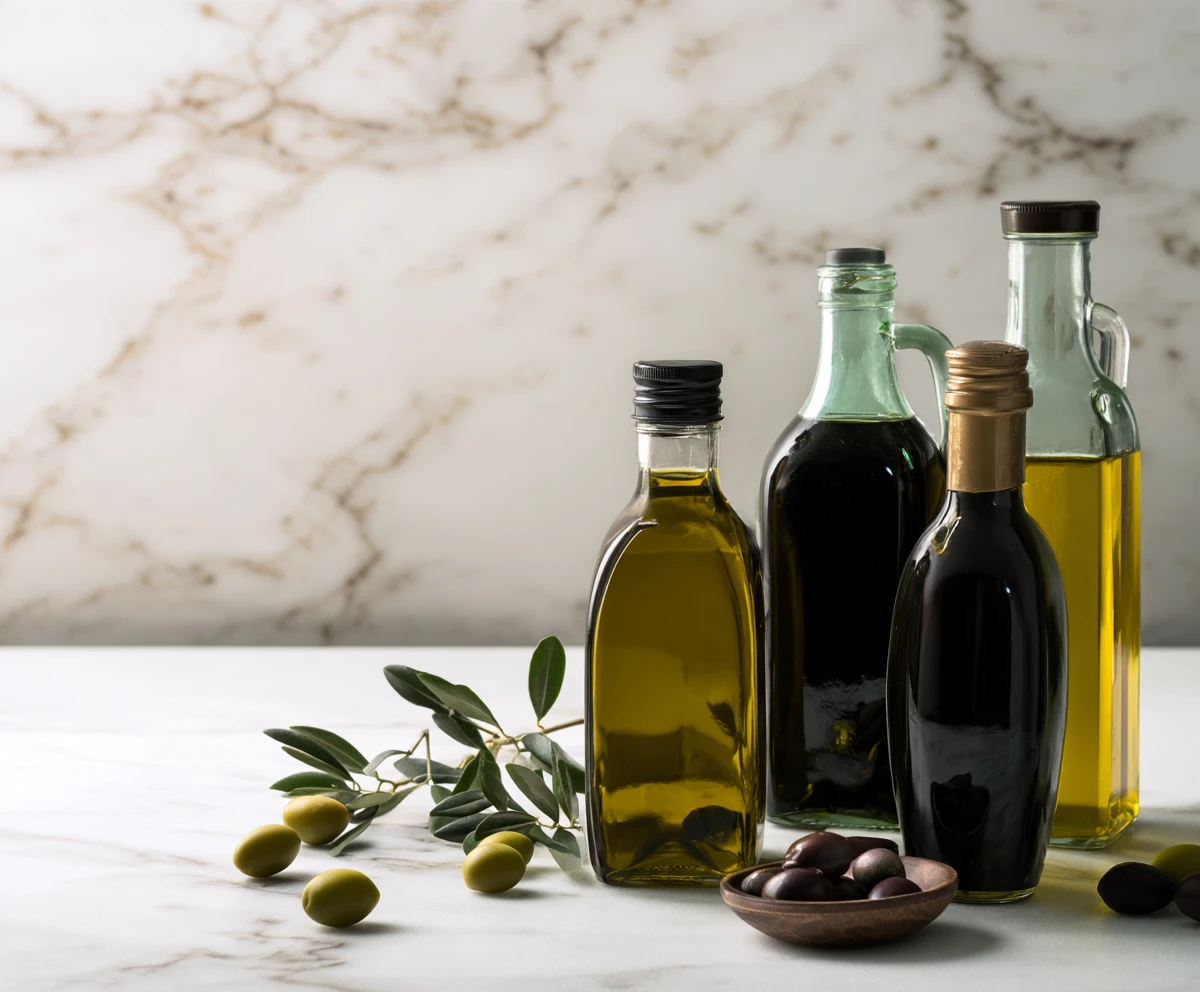
In this guide, you’ll discover the main categories of olive oil and how to choose the one best suited to your everyday cooking. It’s all explained in a simple, friendly manner so you can feel confident when working in your Mediterranean kitchen.
I can still taste that fresh, new olive oil in my mother’s little Naples kitchen, and it definitely shaped the way I cook today. I want to help you find that confidence in selecting oils, oils that taste fresh, feel balanced and contribute to your meals.
Let’s start with what olive oil actually is
Table of Contents
What Olive Oil Is
Olive oil is the liquid pressed from fresh olives. It’s not a processed seed oil. It’s pure fruit juice that carries flavour, aroma, and nutrients from the olive itself.
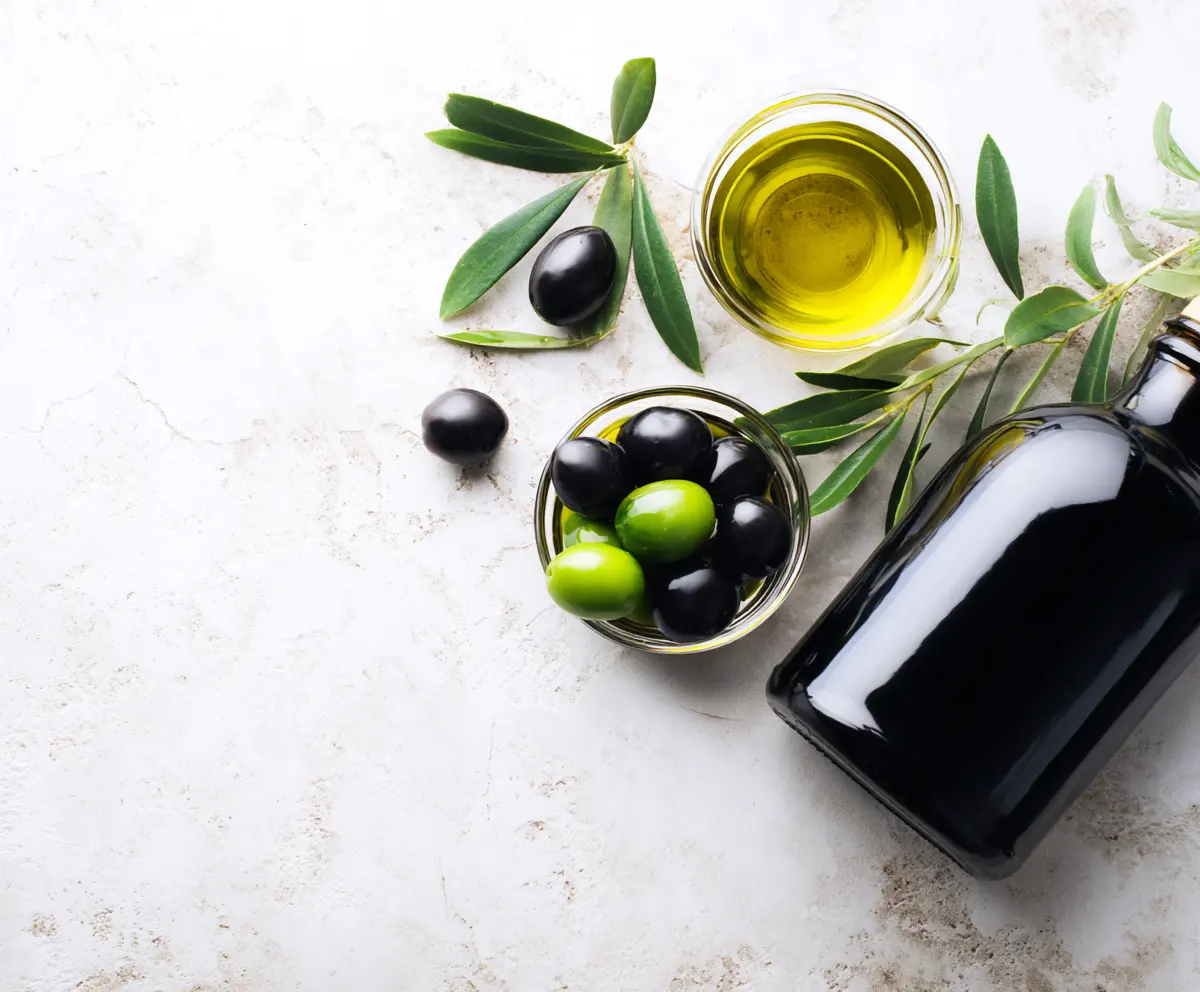
The way olives are harvested, pressed, and handled determines the oil’s quality. Cold-pressed olive oil means the fruit was crushed without heat, which protects the natural compounds inside. Different olive varieties produce oils with unique tastes, from mild and buttery to grassy and peppery.
Quality also depends on the acidity level. Lower acidity usually means fresher, better-tasting oil. This is why: how olives are used in Mediterranean cooking starts with understanding the fruit and the oil it produces.
The grade on the bottle tells you how the oil was made and how pure it is.
Extra Virgin vs Virgin
Extra virgin olive oil is the highest grade. It comes from the first cold pressing and has an acidity level below 0.8%. The flavour is clean, fresh, and full of natural polyphenols and oleic acid that support heart health.
Virgin olive oil is also unrefined but allows slightly higher acidity, up to 2%. The taste is usually milder and less complex. Both types keep the natural benefits of the olive, but extra virgin gives you the richest flavour and the most antioxidants.
Most home cooks choose extra virgin for everyday use because it delivers better quality and taste in every meal.
Why It Matters
Knowing the types of olive oil helps you cook better meals and protect your health. Different oils work for different purposes, and choosing the right one affects both flavor and nutrition.
Olive oil is rich in monounsaturated fat, which supports heart health and reduces inflammation. Harvard’s Nutrition Source confirms that regular olive oil consumption is linked to lower heart disease risk. The healthiest type of olive oil gives you the most antioxidants and natural compounds your body needs.
Understanding olive oil also connects you to the health benefits of the Mediterranean diet, where olive oil is the main cooking fat. This simple ingredient brings flavor, nutrition, and tradition to your table.
Quality and freshness directly affect what you get from every bottle.
Quality and Freshness
Fresh olive oil tastes clean and vibrant. It should smell grassy or fruity, never musty or greasy. As oil ages, it loses antioxidants and develops rancidity, which creates off flavors and reduces health benefits.
The harvest date shows how fresh the oil is. Olive oil is best within 12 to 18 months of harvest. Bottles without a date are harder to trust because you don’t know how long they’ve been sitting on the shelf.
Choosing fresh, high-quality oil means better taste in your food and more nutrition in every meal.
Main Types of Olive Oil
The main types of olive oil are defined by how the olives are processed and the quality of the final product. The International Olive Oil Council sets official standards based on acidity level, taste, and production methods.
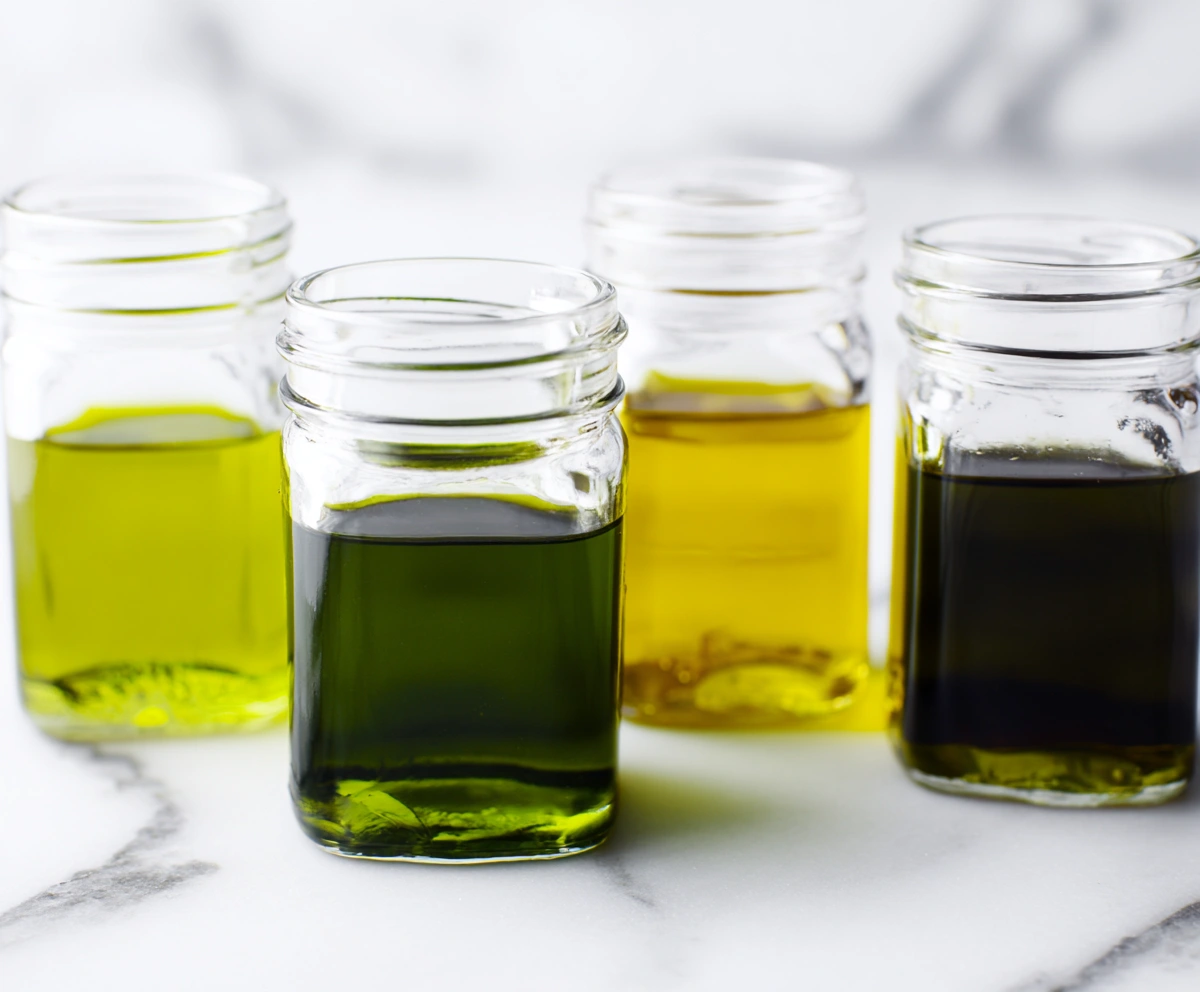
Each type works best for different cooking tasks. Understanding these differences helps you pick the right bottle for your kitchen.
Extra Virgin Olive Oil
Extra virgin olive oil is the purest and highest quality option. It comes from the first cold pressing of fresh olives with no heat or chemicals added. The acidity level stays below 0.8%, which means the oil tastes clean and vibrant.
This type has the strongest flavor and the most antioxidants. It’s ideal for drizzling over salads, dipping bread, or finishing cooked vegetables.
Virgin Olive Oil
Virgin olive oil is also unrefined but allows slightly higher acidity, up to 2%. The flavor is milder and less intense than extra virgin. It’s still made through cold pressing without chemicals.
This type works well for light sautéing, roasting vegetables, or making simple dressings. Many people find it more affordable while still keeping natural olive benefits.
Pure or Regular Olive Oil
Pure olive oil is a blend of refined and virgin oils. The refining process removes impurities and strong flavors, creating a neutral-tasting oil with a higher smoke point.
This type is mild and versatile. It handles medium-heat cooking like sautéing and baking without overpowering other ingredients.
Refined Olive Oil
Refined olive oil has been processed with heat or chemicals to remove defects. The refining removes most of the natural flavor, color, and antioxidants. Acidity is controlled, but nutritional value is lower.
This oil is neutral and stable for cooking but lacks the health compounds found in extra virgin. It’s usually blended with virgin oil to create “pure” olive oil.
Light Olive Oil
Light olive oil doesn’t mean fewer calories. The name refers to the lighter color and milder taste. It’s a refined oil with almost no olive flavor, making it useful for baking or dishes where you don’t want a strong taste.
This type has a higher smoke point, so it can handle frying and high-heat cooking.
Pomace Olive Oil
Pomace olive oil is extracted from the leftover olive pulp after the first pressing. Solvents are used to pull out the remaining oil, then it’s refined and sometimes blended with virgin oil.
This type is very mild and affordable. It works for deep frying but offers almost no health benefits or flavor. Most home cooks skip this option.
Unfiltered Olive Oil
Unfiltered olive oil skips the filtering step, leaving tiny olive particles suspended in the liquid. It looks cloudy and has a stronger, fruitier taste.
This type is fresh and flavorful, perfect for drizzling or dipping. It doesn’t last as long as filtered oil because the particles can cause faster rancidity.
How to Choose Yours
Choosing quality olive oil is simple once you know what to look for on the label and bottle. A few quick checks help you find fresh, flavorful oil that works well in your kitchen.
These tips make shopping easier and help you avoid wasting money on low-quality bottles. When you’re building your Mediterranean pantry essentials, start with one good bottle of extra virgin olive oil and learn what you like.
Check the Harvest Date
The harvest date shows how fresh the oil is. Look for a date stamped on the bottle, usually on the label or the back. Olive oil tastes best within 12 to 18 months of harvest.
Bottles without a harvest date are harder to trust because you can’t tell how long they’ve been stored. Fresh oil smells grassy or fruity and tastes clean. Older oil can taste flat or slightly bitter.
Look for Dark Bottles
Dark glass or tin containers protect olive oil from light, which causes rancidity. Clear bottles let light break down the antioxidants and healthy compounds inside, even before you open them.
Choose bottles that are dark green, amber, or stored in metal tins. This simple detail keeps your oil fresh longer and preserves the flavor and nutrition you’re paying for.
Taste and Aroma Notes
High-quality olive oil should smell fresh and pleasant. Extra virgin oil often has grassy, peppery, or fruity aromas. If it smells musty, greasy, or like old nuts, it’s likely rancid.
Taste matters too. Good oil feels smooth on your tongue with a slight peppery bite at the back of your throat. That bite comes from polyphenols, the healthy compounds that support your heart and reduce inflammation.
Ignore the Color Myth
Color doesn’t tell you about quality. Olive oil can range from deep green to pale gold depending on the olive variety and harvest time. Both colors can be high quality or low quality.
Professional tasters use blue or dark glasses so color doesn’t influence their judgment. Focus on the harvest date, aroma, and how the oil is stored instead.
How to Use Each Type
Matching the right olive oil to your cooking method helps you get the best flavor and results. Some oils shine when used raw, while others handle heat better.
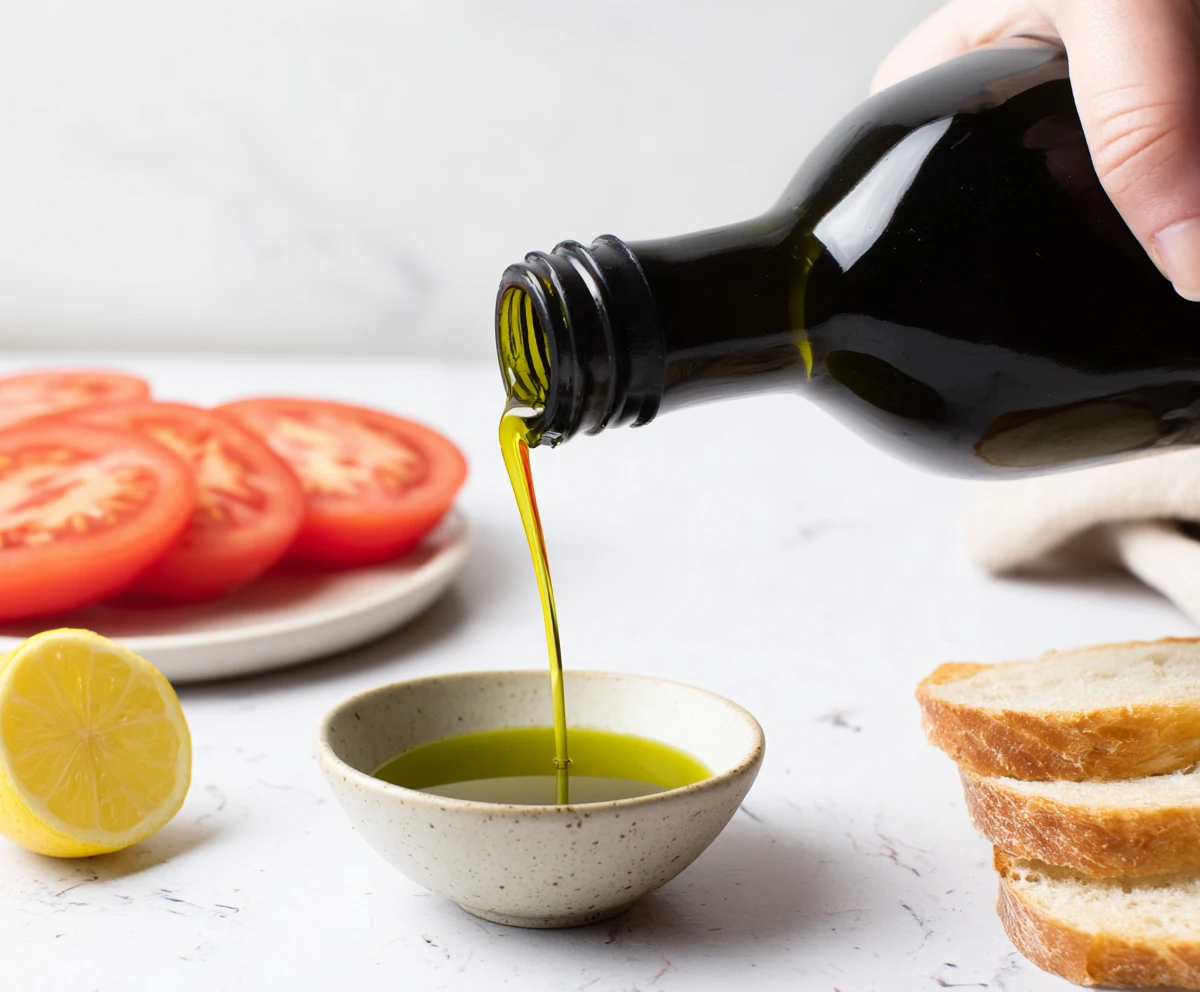
Best for Salads
Extra virgin olive oil is perfect for salads and cold dishes. The fresh, fruity flavor adds depth to simple greens, tomatoes, and cucumbers. Use it in dressings, over roasted vegetables, or with feta and olive oil in Mediterranean recipes. The bold taste makes it the best choice when you’re not applying heat.
Best for Sautéing
Pure or regular olive oil works well for sautéing vegetables, garlic, and onions over medium heat. It has a mild flavor and a higher smoke point than extra virgin, so it stays stable without overpowering your ingredients.
This type is great for everyday cooking like chickpeas cooked with olive oil or simple pasta dishes.
Best for Roasting
Virgin or pure olive oil handles the moderate heat of roasting vegetables, potatoes, or fish. It adds light flavor without burning and keeps food moist as it cooks in the oven.
Use it for lentil dishes drizzled with olive oil or roasted root vegetables where you want a touch of olive taste.
Best for Frying
Light olive oil or pomace olive oil can handle the high heat of frying. The refined nature and higher smoke point make them stable for deep frying or pan frying.
Most home cooks use these types sparingly because they lack the health benefits and flavor of extra virgin.
Helpful Tips
Simple storage habits keep your olive oil fresh and flavorful for longer. A few small changes protect the quality you paid for and help you get the most from every bottle.
Keep It Cool and Dark
Store olive oil in a cool, dark place away from the stove, oven, or any heat source. Heat and light break down antioxidants and cause rancidity faster. A pantry or closed cabinet works better than a countertop shelf near a window.
PubMed Central keeps oils in stable, cool conditions to maintain quality and safety.
Use Within a Few Months
Once you open a bottle, use it within two to three months for the best flavor and nutrition. Exposure to air speeds up oxidation, even if you close the cap tightly. Fresh extra virgin olive oil tastes vibrant, while older oil loses its fruity notes.
Mark the date you opened the bottle if you want to track freshness easily.
Try Small Bottles First
Buying smaller bottles helps you finish the oil while it’s still fresh. Large bottles might seem like better value, but they often sit too long once opened. Start with a 500ml bottle and see how quickly you use it before buying bigger sizes.
Pro Tip: If you use olive oil daily, a medium bottle lasts about a month and stays fresh the whole time.
Variations and Options
Olive oil comes in more varieties than just the standard types. Infused oils and regional styles add extra flavor and let you explore different Mediterranean traditions in your cooking.
Lemon or Herb Infusion
Infused olive oil is made by adding herbs, citrus, garlic, or chili to extra virgin olive oil. The ingredients steep in the oil and release their flavors over time. Lemon-infused oil brightens salads and fish, while rosemary or basil oils add depth to roasted vegetables.
You can buy infused oils or make your own at home using fresh Mediterranean herbs to flavor olive oil. Pair them with citrus and olive oil combinations for dressings and marinades that feel restaurant-quality.
Use infused oils quickly and store them carefully, as added ingredients can shorten shelf life.
Greek, Italian, Spanish Styles
Different Mediterranean regions produce oils with unique flavors based on local olive varieties and climate. Greek olive oil often tastes fruity and robust. Italian oils range from mild and buttery in the north to peppery and bold in the south. Spanish oils are usually smooth with a slight almond flavor.
Trying oils from different regions helps you discover what you like best. Each style works well in traditional dishes from its area, but you can use any of them based on your personal taste and what you’re cooking.
FAQs
Here are answers to the most common questions about choosing and using different types of olive oil.
What Is the Healthiest Oil
Extra virgin olive oil is the healthiest type of olive oil. It contains the most antioxidants, polyphenols, and natural compounds that support heart health and reduce inflammation. The minimal processing keeps all the beneficial nutrients intact.
Choose bottles with a recent harvest date and store them properly to maintain the health benefits
Can You Fry with EVOO
You can fry with extra virgin olive oil, but it’s not always the best choice. The smoke point is around 375°F, which handles light frying and sautéing but may not be ideal for deep frying at higher temperatures.
Save your best extra virgin oil for raw uses where you can enjoy the flavor. Use pure or light olive oil for high-heat frying if needed.
Does Color Matter
No, color doesn’t indicate quality. Olive oil ranges from deep green to pale gold depending on the olive variety and when it was harvested. Both green and golden oils can be fresh and high quality.
Focus on the harvest date, storage, and aroma instead of judging the oil by its color alone.
Is Light Olive Oil Good
Light olive oil is good for cooking when you want a neutral flavor and higher smoke point. It works well for baking and frying, but it has fewer health benefits than extra virgin because the refining process removes most antioxidants.
Use it for practical cooking tasks, but keep extra virgin oil on hand for finishing and salads where nutrition and flavor matter most.If you want to explore more Mediterranean staples beyond olive oil, check out this complete Mediterranean food list for ideas.
Final Thoughts
Understanding the types of olive oil helps you shop smarter and cook better meals every day. Extra virgin olive oil delivers the most flavour and health benefits for raw dishes, while refined options hold up to higher heat when you need them.
Start with one good bottle of extra virgin and learn how it tastes in your favourite recipes. As you cook more, you’ll discover which oils work best for different tasks in your kitchen.
Olive oil is one of the most essential Mediterranean ingredients you’ll use, and choosing quality makes a real difference in how your food tastes and how you feel.
Ready to cook the Mediterranean way? Choose one good bottle of olive oil and try it in your next simple meal.