
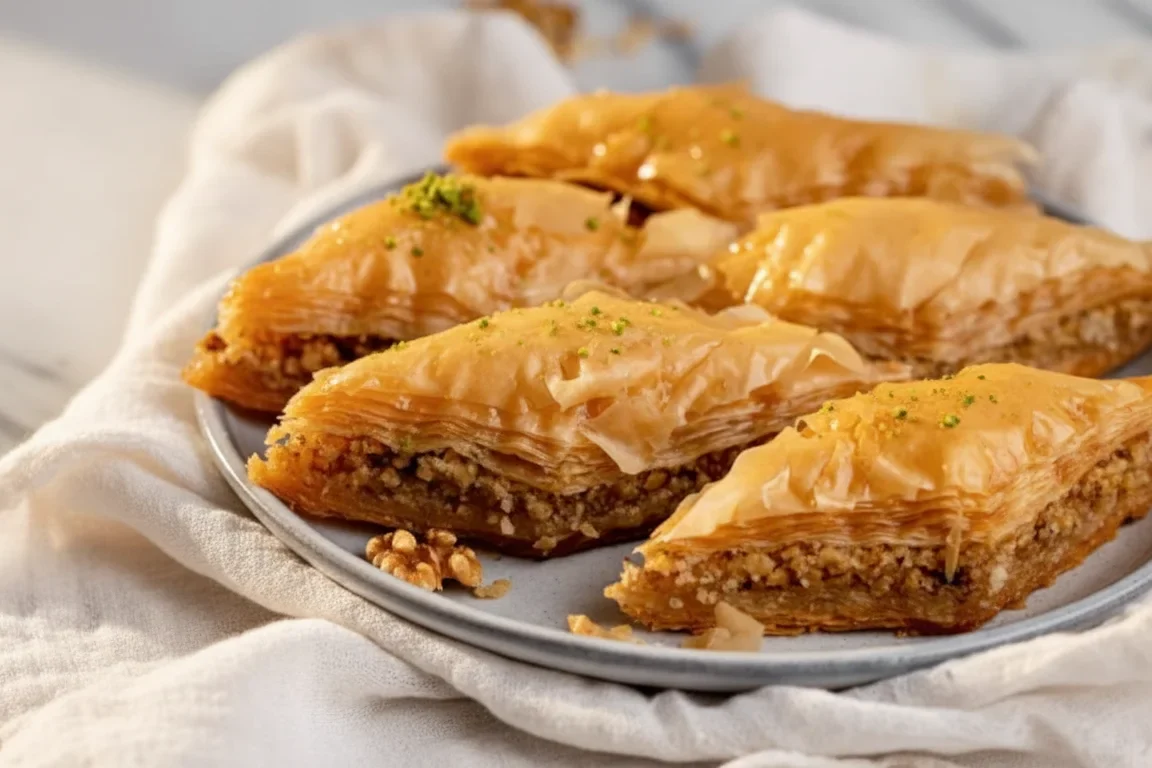
Create this Mediterranean baklava with layers of flaky phyllo, crunchy nuts, and warm honey syrup for a simple, unforgettable dessert.
Mediterranean Baklava Recipe
- Total Time: 1 hr 20 mins
- Yield: 24 pieces
- Diet: Vegetarian
Description
A golden, flaky Mediterranean Baklava made with buttery phyllo layers, spiced walnuts, and fragrant honey syrup, a crisp, sweet masterpiece that tastes better the next day.
Ingredients
For the Pastry:
- 1 pound phyllo dough (about 20 sheets), thawed
- 1½ cups unsalted butter, melted
- 2 cups chopped walnuts
- 1 teaspoon ground cinnamon
- ¼ teaspoon ground cloves (optional)
- Ground pistachios for garnish
For the Honey Syrup:
- 1 cup water
- 1 cup sugar
- ½ cup honey
- 1 tablespoon lemon juice
- 1 cinnamon stick
Instructions
1. Make the syrup first. Combine water, sugar, honey, lemon juice, and cinnamon stick in a saucepan. Bring to a boil, then simmer for 10 minutes. Remove from heat and let it cool completely. This step is crucial.
2. Prepare the chopped walnuts. Mix them with the cinnamon and cloves. Set aside.
3. Butter your pan. Use a 9×13 inch baking dish. Brush it generously with melted butter.
4. Layer the phyllo. Place one sheet in the pan, brush with butter. Repeat until you have 8–10 sheets layered.
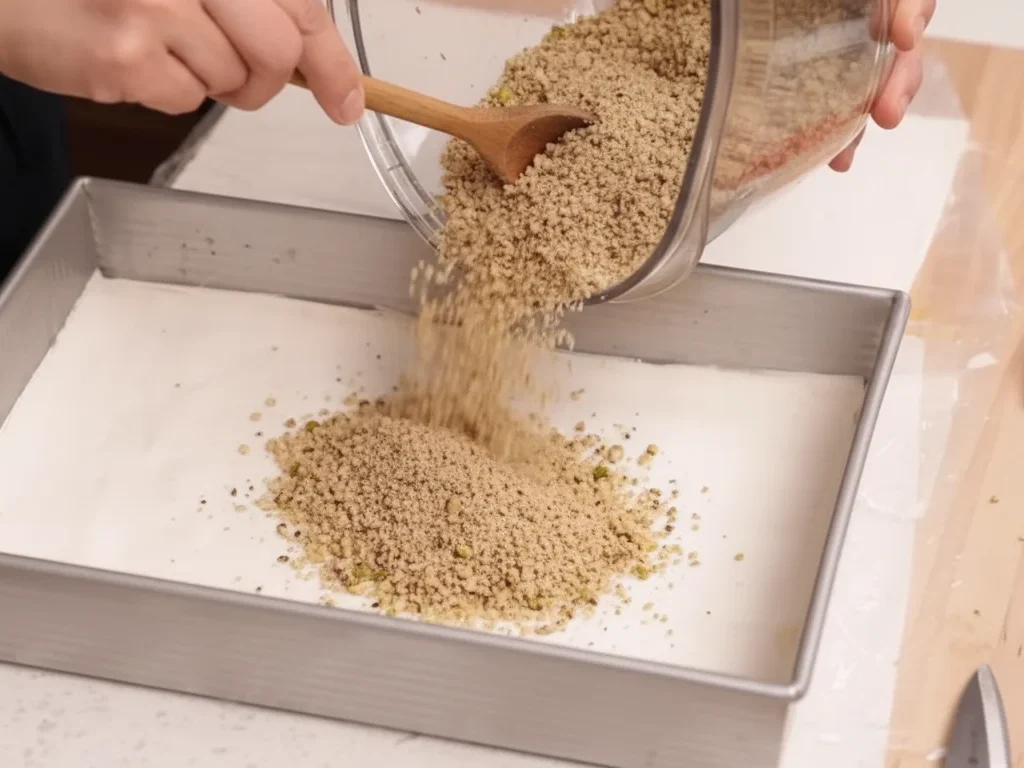
5. Add chopped walnuts and repeat. Sprinkle a third of your nut mixture evenly. Add 3–4 buttered phyllo sheets. Add more chopped walnuts. Repeat this layering twice more.
6. Top it off. Finish with 8–10 buttered phyllo sheets on top.
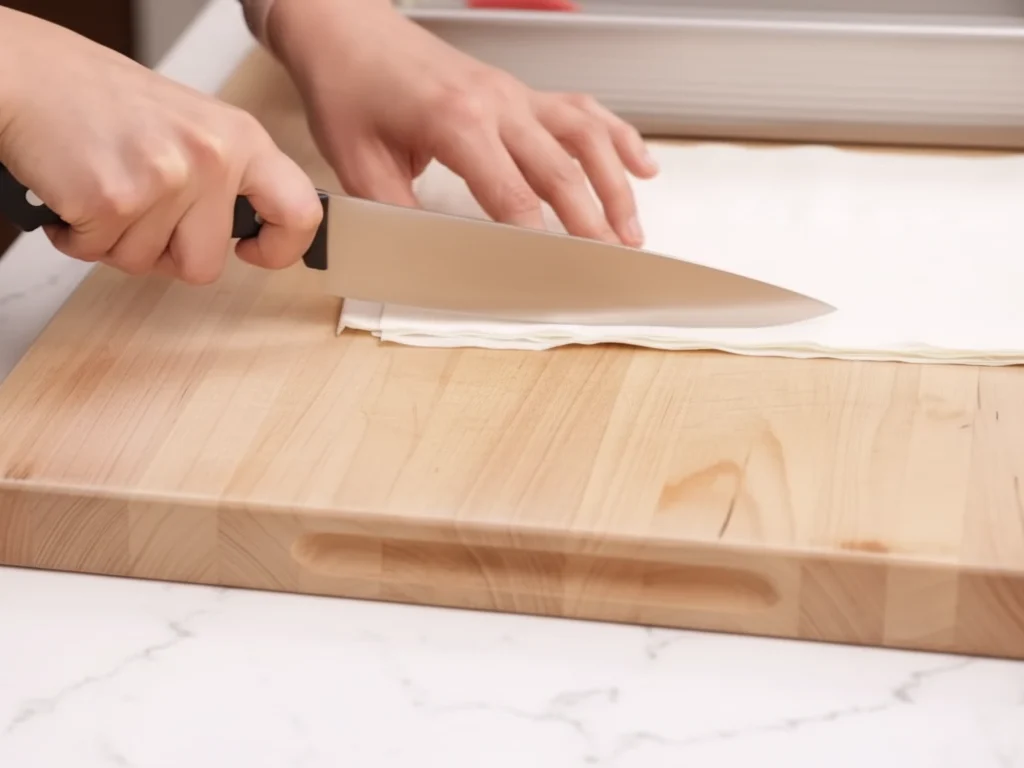
7. Cut before baking. Use a sharp knife to cut diamond or square shapes all the way through. This is important for even baking.
8. Bake at 350°F for 45–50 minutes until golden and crispy.
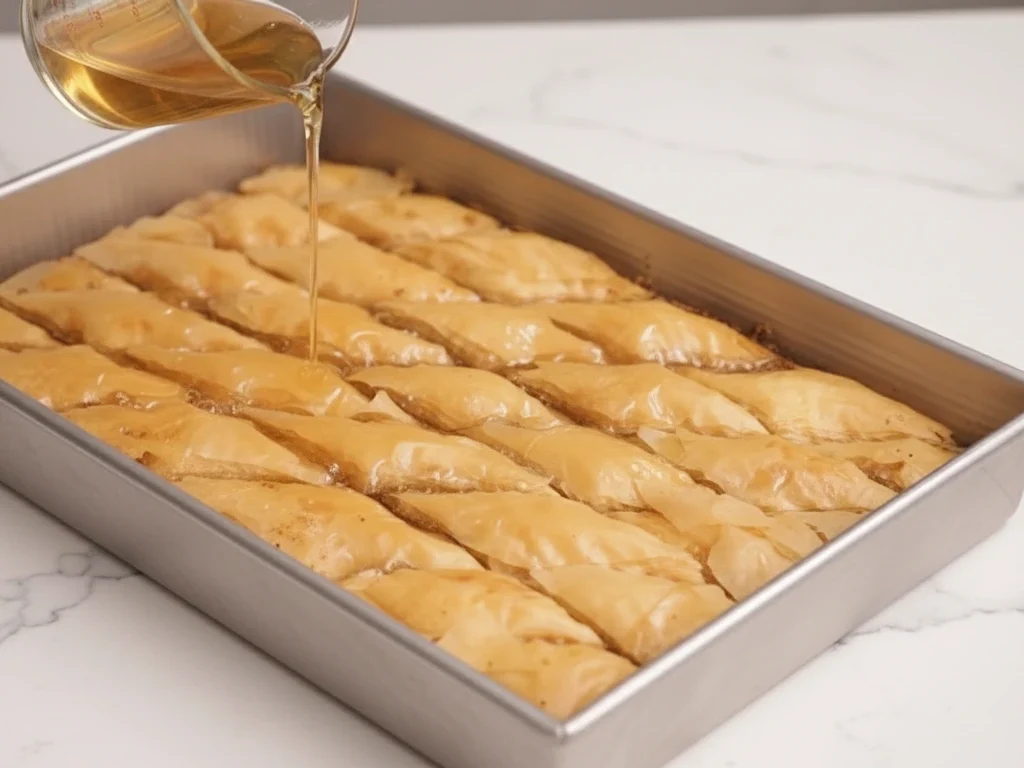
9. Pour cooled syrup over hot baklava immediately when it comes out of the oven. You’ll hear it sizzle — that’s the sound of perfection.
10. Garnish with ground pistachios while the syrup is still warm and sticky. Let it sit for at least 4 hours, preferably overnight, before serving.
Notes
- Use clarified butter for the flakiest texture.
- For a lighter touch, substitute half the butter with extra-virgin olive oil.
- Store at room temperature in an airtight container for up to 7 days.
- Baklava tastes even better after resting overnight.
- Prep Time: 30 mins
- Cook Time: 50 mins
- Category: Dessert
- Method: Baking
- Cuisine: Mediterranean
Table of Contents
What is Mediterranean Baklava?
Mediterranean baklava is a layered pastry dessert made with paper-thin phyllo dough, butter, nuts, and sweet syrup. It’s crispy, flaky, and soaked in honey or sugar syrup flavored with citrus or rosewater.
This dessert has roots across Greece, Turkey, and the Middle East. Each region has its own unique way of preparing food according to tradition. Greeks love honey and walnuts. Turks prefer pistachios and a lighter syrup. Lebanese versions often include orange blossom water. But they all share one thing: love baked into every golden layer.
The magic happens when hot syrup meets cold baklava, or cold syrup meets hot pastry. That temperature contrast creates the signature crispy-yet-moist texture.
The flavor? Buttery richness balanced by floral sweetness, with a nutty crunch in every bite. It’s indulgent, yes, but in the Mediterranean way. Meaning you savor one perfect piece with strong coffee, not a whole tray in one sitting.
Choosing Your Ingredients: The Keys to Authentic Flavor
Great baklava starts before you preheat the oven. The ingredients matter more than technique here. Get these three elements right, and you’re already halfway to that crispy, honeyed perfection everyone craves.
Let me walk you through each choice.
Phyllo Dough: Fresh vs. Frozen
Go frozen. I’m serious. Fresh phyllo sounds romantic, but frozen phyllo from your grocery store works beautifully and it’s much easier to handle.
Look for phyllo sheets that aren’t broken or crumbly in the box. Thaw them overnight in the fridge, never at room temperature. Once opened, keep sheets covered with a damp towel so they don’t dry out.
Pro Tip: Athens and Apollo brands are reliable choices. Each sheet should be thin enough to almost see through.
The Nut Mixture: Pistachio, Walnut, or a Blend?
This is where you make baklava yours.
Walnuts give you that classic Greek version. They’re affordable, earthy, and widely loved.
Pistachios create a vibrant green filling and delicate flavor. More expensive, but stunning for special occasions.
A blend (half walnut, half pistachio) offers the best of both worlds.
I usually go 2 cups total nuts, finely chopped but not powdered. You want texture, not nut dust. Add a teaspoon of cinnamon to bring a gentle, cozy warmth to the dish.
The Syrup: Honey vs. Sugar Syrup (with Rosewater)
Here’s where regions differ most.
Honey syrup is my choice. It’s floral, aromatic, and authentically Greek. I use half honey, half sugar with water and a squeeze of lemon.
Sugar syrup with rosewater is the Turkish and Lebanese way. Lighter sweetness, more perfumed. Beautiful if you love floral notes.
Both options turn out beautifully, each bringing its own lovely touch. The key? Make your syrup ahead and let it cool completely before you pour it over hot baklava. The Spruce Eats has excellent tips on phyllo handling if you want extra guidance.
Step-by-Step Mediterranean Baklava Recipe
This is the heart of it all. Take your time here. Baklava rewards patience, not speed.
Ingredients:
For the Pastry:
- 1 pound phyllo dough (about 20 sheets), thawed
- 1½ cups unsalted butter, melted
- 2 cups chopped walnuts
- 1 teaspoon ground cinnamon
- ¼ teaspoon ground cloves (optional)
- Ground pistachios for garnish
For the Honey Syrup:
- 1 cup water
- 1 cup sugar
- ½ cup honey
- 1 tablespoon lemon juice
- 1 cinnamon stick
Instructions:
1. Make the syrup first. Combine water, sugar, honey, lemon juice, and cinnamon stick in a saucepan. Bring to a boil, then simmer for 10 minutes. Remove from heat and let it cool completely. This step is crucial.
2. Prepare the chopped walnuts. Mix them with the cinnamon and cloves. Set aside.
3. Butter your pan. Use a 9×13 inch baking dish. Brush it generously with melted butter.
4. Layer the phyllo. Place one sheet in the pan, brush with butter. Repeat until you have 8-10 sheets layered.
5. Add chopped walnuts and repeat. Sprinkle a third of your nut mixture evenly. Add 3-4 buttered phyllo sheets. Add more chopped walnuts. Repeat this layering twice more.
6. Top it off. Finish with 8-10 buttered phyllo sheets on top.
7. Cut before baking. Use a sharp knife to cut diamond or square shapes all the way through. This is important for even baking.
8. Bake at 350°F for 45-50 minutes until golden and crispy.
9. Pour cooled syrup over hot baklava immediately when it comes out of the oven. You’ll hear it sizzle. That’s the sound of perfection.
10. Garnish with ground pistachios while the syrup is still warm and sticky.
Let it sit for at least 4 hours, preferably overnight, before serving.
Pro Tips for Perfect, Crispy Layers (Non-Soggy Guarantee)
Nobody wants soggy baklava. Here’s how to avoid it every single time.
Temperature contrast is everything. Hot syrup on cold baklava, or cold syrup on hot baklava. Never pour room-temperature syrup on room-temperature pastry. That’s what creates sogginess.
Don’t skip the butter. Every phyllo layer needs a light brush. Not drenched, but covered. The butter creates steam barriers between layers.
Cut before baking, not after. Cutting through baked phyllo creates crumbs and messy edges. Pre-cutting lets heat penetrate evenly.
Let it rest. Baklava needs time for the syrup to distribute. Four hours minimum. Overnight is even better. The flavors deepen and the texture settles into that perfect crispy-sticky balance.
Quick Fact: Authentic baklava actually improves over 2-3 days as the syrup fully absorbs.
How to Cut and Serve Baklava Like a Pro?
The cutting matters as much as the baking.
Use a very sharp knife. Dull blades crush the layers instead of slicing through them cleanly.
Classic shapes: Diamonds look traditional and elegant. Cutting them into squares makes them just right for easy, casual gatherings . I usually make 24-30 pieces from a 9×13 pan.
Serving style: Place each piece in a paper cupcake liner for easy handling. Baklava is sticky, and liners keep fingers clean.
Serve at room temperature with strong Turkish coffee or hot tea. The rich bitterness of the coffee balances the sweetness in the most delicious way . One small piece is enough. This is a dessert you savor slowly, not devour quickly.
Storing & Freezing Your Homemade Baklava
Good news: baklava keeps beautifully.
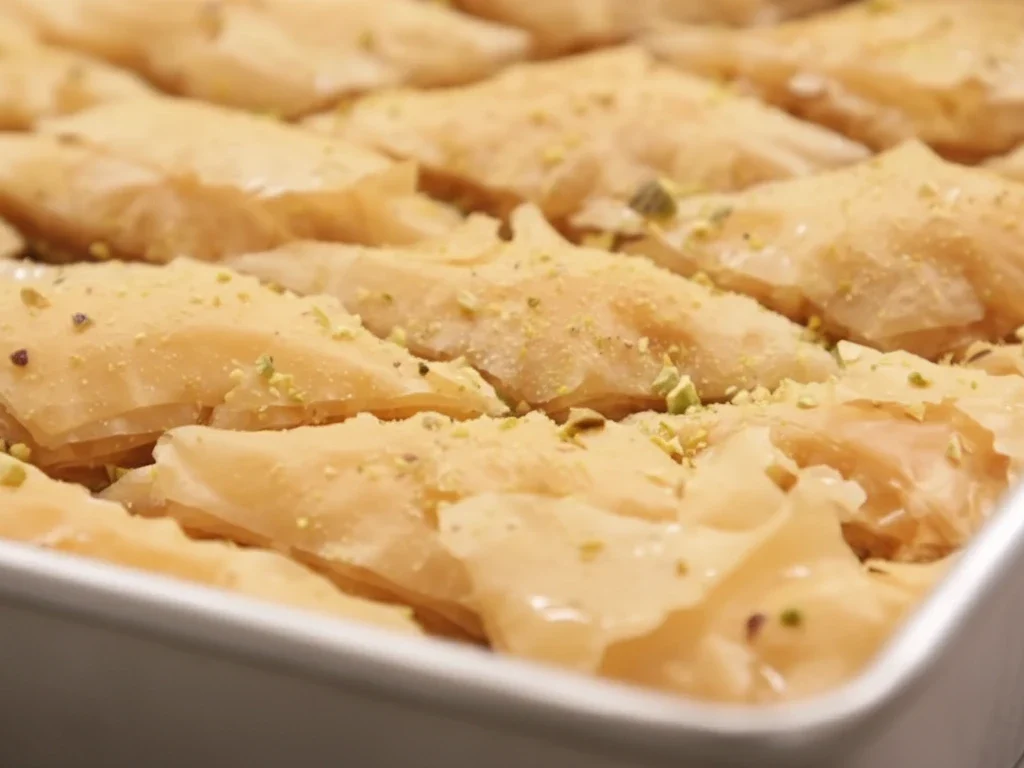
Room temperature storage: Cover loosely with foil or parchment, never plastic wrap. Plastic traps moisture and ruins the crisp. Baklava stays perfect for 5-7 days on your counter.
Refrigeration: Not recommended. The cold makes phyllo lose its crackle.
Freezing: Absolutely works. Wrap individual pieces in parchment, then store in an airtight container. Freeze for up to 3 months. Thaw at room temperature for 2 hours before serving.
The Government food storage guidelines recommend keeping syrup-based desserts at room temperature for best texture, and I completely agree. That’s how my nonna always stored hers.
Frequently Asked Questions (FAQ)
Is baklava healthy?
Baklava isn’t a health food, but it’s not the enemy either. It contains nuts (healthy fats, protein), honey (antioxidants), and phyllo (lighter than butter-based pastries). The secret is moderationl. One piece after dinner, savored slowly, fits perfectly into a balanced Mediterranean lifestyle. Harvard Health notes that nuts and honey offer nutritional benefits when enjoyed mindfully.
Do you eat baklava hot or cold?
Room temperature is best. Hot baklava hasn’t absorbed the syrup yet. Cold baklava from the fridge loses its signature crispness. Let it sit at room temperature for the perfect texture.
How do you keep baklava crispy?
Avoid covering it with plastic . Use foil or parchment loosely draped over the top. Store at room temperature, not in the fridge. And always use that hot-cold syrup contrast trick I mentioned earlier.
Conclusion
Making mediterranean baklava at home isn’t as intimidating as it looks. It just asks for your patience, good ingredients, and a little love between the layers.
The first time you pull that golden pan from the oven and hear the syrup sizzle, you’ll understand why this dessert has traveled across centuries and borders. It’s worth every minute.
If you want to know more about why I’m so passionate about sharing these traditions, visit my food story and mission. Mediterranean cooking changed my life, and I hope it brings you the same joy it brought me back in my nonna’s kitchen.
Now go make some baklava. Your kitchen is about to smell absolutely incredible.